Appointments as Early as 8 AM, Monday-Saturday!
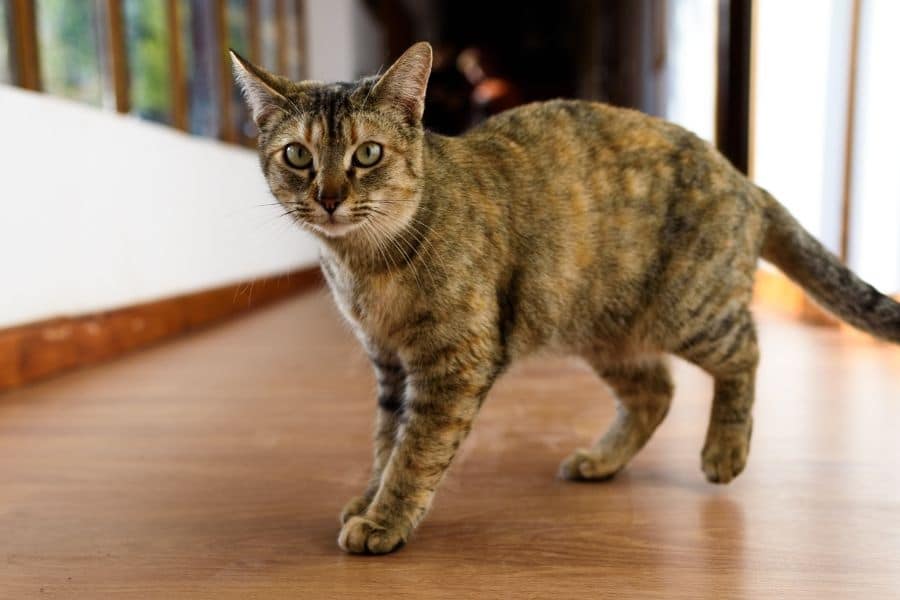
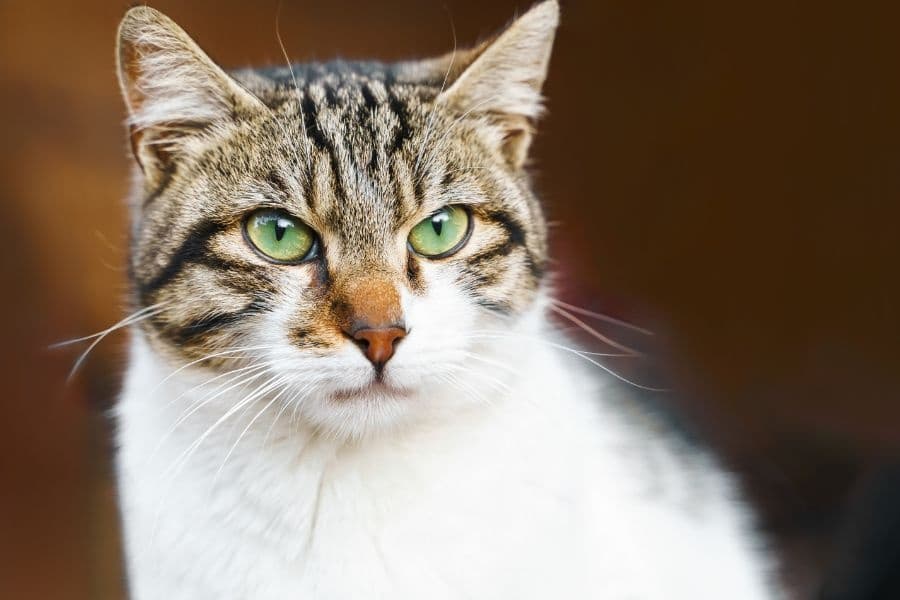
Cats hide illness so well that many owners miss the early warning signs of a real problem. Senior cats especially mask pain and discomfort as a survival instinct, which means real trouble can be brewing long before you notice anything wrong. Knowing when your aging cat needs senior cat urgent care can mean the difference between a quick fix and a serious emergency. Small shifts in behavior, appetite, or mobility often carry more weight than they seem. Learning to spot these subtle cues gives you the best chance of catching problems early and keeping your cat comfortable through their senior years.
Why Senior Cats Hide Illness So Well
Cats evolved as both predator and prey, and that instinct never fully disappears. Hiding weakness kept their ancestors safe from other predators, so cats today still mask pain out of habit. This makes signs cat is sick harder to catch than in dogs, who tend to show discomfort more openly. In our experience, owners often assume their cat is “just getting older” when subtle symptoms actually point to a treatable condition. Roughly 60 percent of cats over age 10 show evidence of a chronic condition on exam, even when they seem outwardly normal at home. That gap between appearance and reality is exactly why regular checkups matter so much for aging cats.
Signs Your Senior Cat Needs Urgent Care
- Sudden weight loss – Losing weight without a diet change can point to kidney disease, thyroid problems, or diabetes.
- Changes in litter box habits – Straining, going outside the box, or drinking more water than usual are all worth noting.
- Decreased grooming – A senior cat with a dull, matted coat may be too painful or nauseated to groom normally.
- Hiding more than usual – Cats that suddenly avoid family members or favorite spots may be in pain.
- Reduced appetite or interest in food – Even skipping one full day of meals in a senior cat warrants a call to your vet.
Pet owners often tell us they assumed these changes were “just old age,” when in fact several pointed to a condition we could treat quickly once caught. Any one of these signs on its own may not be urgent, but two or more together should prompt a same-day vet visit.
What to Expect During a Pet Urgent Care Visit
When you bring your cat in for aging cat health changes, the visit typically follows a clear process:
- Check-in and history review – Our team asks about recent behavior changes, appetite, and litter box habits.
- Physical exam – We check weight, hydration, heart rate, and palpate the abdomen for abnormalities.
- Diagnostic testing – Bloodwork or urinalysis often follows to check organ function and rule out common senior conditions.
- Discussion of findings – We walk you through what we find and outline next steps together.
- Treatment plan – Whether it’s medication, diet changes, or monitoring, you leave with a clear plan.
In Rochester, many cat owners tell us the hardest part is simply deciding when to take their cat to the vet. Our goal is to make that decision easier by keeping the process fast and low-stress for both of you.
Cold Winters and Your Senior Cat’s Comfort
Rochester winters bring real challenges for aging cats, particularly those with arthritis or reduced mobility. Cold, damp air can make joint pain worse, and many cats become less active during winter months, which owners often mistake for normal aging. We frequently remind our clients that a senior cat suddenly reluctant to jump onto furniture or climb stairs may be dealing with joint pain rather than simple laziness. One common misconception is that indoor cats are immune to weather-related health changes. In reality, indoor temperature swings and lower activity levels still affect joint stiffness and circulation. Watching for these seasonal shifts helps you catch problems before they become serious.
Why Choose Us for Aging Cat Care
At Coldwater Animal Hospital, our team has years of experience helping senior cats stay comfortable and healthy through every stage of aging. We understand that deciding whether a symptom warrants urgent pet care can feel overwhelming, so we make same-day appointments available whenever possible. Located in Rochester, we’ve built our approach around listening closely to what pet owners notice at home, since those small details often guide our diagnosis. Call us at 585-247-7200 when your pet needs urgent care, and our team will walk you through the next steps right away.
Aging cats deserve the same attentiveness we’d want for any family member, even when their symptoms are quiet. Trusting your instincts when something feels off is often the first and most important step. Senior cat urgent care exists precisely for those in-between moments, when you’re not sure if it’s nothing or something serious. Catching subtle changes early gives your cat the best shot at a comfortable, healthy senior life. Don’t wait for symptoms to become severe before reaching out. Book an appointment today.
Frequently Asked Questions
Q: How often should senior cats see a vet?
Ans: Most veterinarians recommend twice-yearly checkups for cats over age 10, since health changes can develop quickly at this age.
Q: What is considered an emergency for an older cat?
Ans: Difficulty breathing, repeated vomiting, inability to urinate, or sudden collapse all warrant an immediate call to your vet.
Q: Can weight loss in senior cats be normal?
Ans: Some weight change happens with age, but sudden or significant loss usually signals an underlying condition worth investigating.
Q: Why does my older cat sleep so much more than before?
Ans: While cats naturally sleep more as they age, a sudden increase paired with other symptoms should be checked out.
Q: Are dental problems common in aging cats?
Ans: Yes, dental disease is one of the most common health issues in senior cats and can affect appetite and overall comfort.