Appointments as Early as 8 AM, Monday-Saturday!
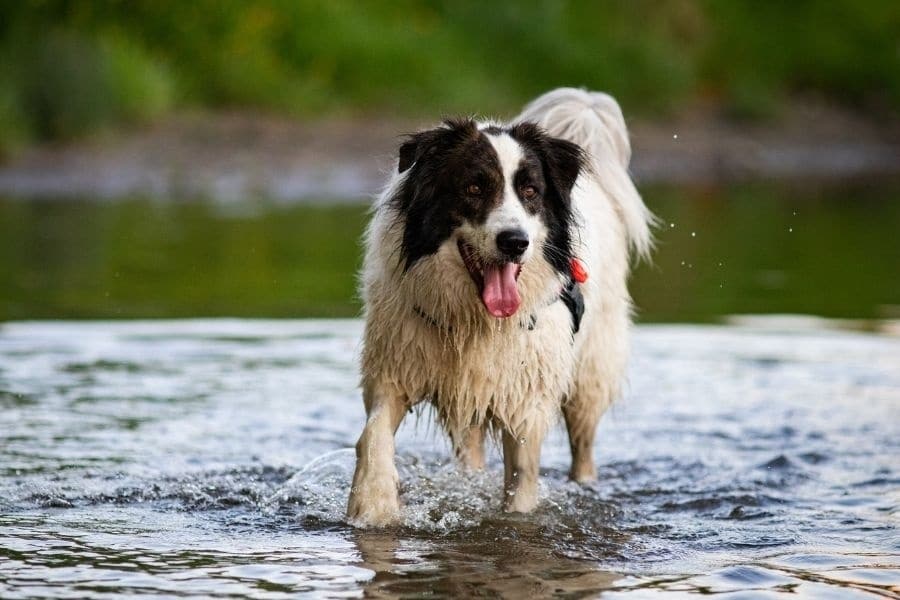
Every summer, dogs across the country are rushed to the vet after a swim in what looked like an ordinary pond or lake. The culprit is often invisible until it is too late: blue-green algae. This toxic bloom can turn a fun outdoor outing into a life-threatening situation within minutes. Blue-green algae dogs encounter in local waterways carries potent toxins that attack the liver, nervous system, and skin. Understanding this hazard before your dog ever hits the water could save their life. This article explains what blue-green algae is, how to recognize it, what to do if your dog is exposed, and how to keep them safe all season long.
What Is Blue-Green Algae and Why Is It So Toxic?
Blue-green algae is not actually algae at all. It is a type of bacteria called cyanobacteria that grows in warm, slow-moving, or stagnant water. When conditions are right, these bacteria multiply rapidly and form what is known as a harmful algal bloom.
These blooms produce two categories of toxins: hepatotoxins, which damage the liver, and neurotoxins, which attack the nervous system. Both types act fast. In severe cases, a dog can collapse within 15 to 60 minutes of ingestion or skin exposure.
Approximately 50 to 75 percent of algal blooms in fresh water produce toxins at harmful levels. That means most visible blooms should be treated as dangerous, even without lab confirmation. In New York State, blooms are reported every year across lakes, ponds, rivers, and drainage ditches, particularly during warm summer months when water temperatures rise.
Warning Signs Your Dog Has Been Exposed
Recognizing symptoms quickly gives your dog the best chance of survival. Toxic algae poisoning in dogs can show signs within minutes to a few hours after contact.
Watch for these symptoms:
- Vomiting or diarrhea: Often one of the first signs, sometimes severe or bloody.
- Excessive drooling: A sign of nausea or oral irritation from skin contact with the water.
- Muscle tremors or seizures: Indicate neurotoxin exposure, which requires immediate veterinary attention.
- Weakness or sudden collapse: The toxins can cause rapid neurological shutdown.
- Pale or yellow-tinged gums: A warning sign of liver damage from hepatotoxin exposure.
- Difficulty breathing: Seen in more advanced cases and requires prompt veterinary care.
Pet owners often tell us they had no idea their dog was sick until the animal began trembling or collapsed on the walk back to the car. By that point, toxins had already entered the bloodstream. If you notice any of these signs after water exposure, contact your veterinarian promptly.
What Should You Do If Your Dog Swims in Blue-Green Algae Water?
If your dog contacts water you suspect contains blue-green algae, act immediately. Every minute counts with cyanobacteria toxins.
- Remove your dog from the water right away. Do not let them continue swimming or drinking.
- Rinse your dog thoroughly with clean, fresh water. This removes residual toxins from their coat and skin.
- Do not let your dog lick their fur before rinsing. Grooming after exposure can increase the amount of toxin ingested.
- Call your veterinarian or an animal poison control hotline immediately. Do not wait for symptoms to appear.
- Note the location of the water body and take a photo if possible. This helps your vet and local health authorities identify and report the bloom.
- Bring your dog in for evaluation even if they appear fine. Some symptoms are delayed, and early intervention improves outcomes significantly.
There is no antidote for blue-green algae toxins. Treatment focuses on decontamination, supportive care, and managing symptoms as they develop. The faster a dog reaches veterinary care, the better the prognosis.
Why Are Dogs at Higher Risk Than Humans?
Dogs face a much higher risk of serious illness from algae water safety pet concerns for several key reasons.
First, dogs drink water while they swim. Humans typically do not. A dog paddling through a bloom may ingest a dangerous dose of toxins before their owner even notices the water looks unusual.
Second, dogs explore with their mouths. They may lick algae off rocks, shoreline debris, or their own wet coat after getting out of the water.
Third, dogs do not instinctively avoid bad-tasting water the way some animals do. In our experience, many dogs will drink eagerly from stagnant, foul-smelling ponds that their owners would never let them near if they had a clear view.
Children are also vulnerable to algal toxins and should be kept away from affected water as well. However, a dog’s behavior in and around water puts them in far more direct contact with blooms than a typical human swimmer.
We frequently remind our clients in Rochester that algal blooms are not limited to remote wilderness lakes. They appear in neighborhood retention ponds, golf course water features, and even some sections of local waterways after periods of low rainfall and high heat.
How to Identify Dangerous Water Before Your Dog Swims
Prevention starts with knowing what to look for. Dog swimming water dangers are often visible before any contact occurs.
Look for these signs at the water’s edge:
- Water that appears green, blue-green, brown, or red
- A surface that looks like spilled paint, pea soup, or a thick mat of foam
- A strong musty, earthy, or sewage-like odor coming from the water
- Dead fish, birds, or other wildlife along the shoreline
- Visible scum or clumps floating on the surface
Many pet owners mistakenly believe that clear water is always safe. This is not accurate. Some blooms produce toxins at dangerous concentrations before the water changes color visibly. When in doubt, keep your dog out.
Other prevention tips include:
- Checking your local or state health department’s website before visiting a new water body. New York State maintains an updated list of reported harmful algal blooms.
- Keeping your dog on a leash near unfamiliar water sources.
- Bringing fresh water from home so your dog has no reason to drink from ponds or lakes.
- Rinsing your dog after any swim, even in water that appears clean.
At Coldwater Animal Hospital we see a clear uptick in toxin-related calls during July and August each year. A little preparation before outdoor outings makes a significant difference.
Staying Safe This Summer
Blue-green algae dogs encounter in local ponds and lakes is a genuine seasonal threat, not a rare worst-case scenario. Blooms are increasingly common across upstate New York, and pet owners who know what to look for are far better equipped to protect their dogs.
Check local water advisories before any outdoor trip involving water. Keep your dog leashed near unfamiliar lakes or ponds. Act fast if exposure occurs, and never wait for symptoms before calling your vet. The team at Coldwater Animal Hospital is here to help you navigate pet safety concerns all year long, and we are always available to answer questions about environmental hazards in our area. Book an appointment today.
Frequently Asked Questions
Q: What does blue-green algae look like in water?
Ans: Blue-green algae blooms often make water appear green, blue-green, or brownish, similar to pea soup or spilled paint. You may also see foam or scum along the shoreline and smell a musty or foul odor. However, some toxic blooms are not visible to the naked eye, so always check local advisories before letting your dog swim.
Q: How quickly can blue-green algae make a dog sick?
Ans: Symptoms can appear as quickly as 15 to 30 minutes after exposure, depending on the type of toxin and the amount ingested. Neurotoxins tend to act faster than hepatotoxins, which may take a few hours to show visible signs. Do not wait for symptoms to call your vet.
Q: Can my dog survive blue-green algae poisoning?
Ans: Survival depends heavily on how quickly the dog receives veterinary care and how much toxin was ingested. Dogs treated promptly after minimal exposure have a much better chance of recovery. Cases involving large amounts of neurotoxins can be fatal within hours, which is why immediate action is critical.
Q: Is all algae in ponds dangerous for dogs?
Ans: No, not all algae is toxic. Many types of algae are harmless. The danger comes specifically from cyanobacteria blooms, which can be difficult to distinguish from non-toxic algae by appearance alone. Treating all visible blooms as potentially hazardous is the safest approach.
Q: What should I do if I think my dog drank algae water?
Ans: Rinse your dog thoroughly with clean water, prevent them from licking their coat, and contact your veterinarian or an animal poison control line right away. Do not wait to see if symptoms develop. Early decontamination and supportive care significantly improve outcomes.