Appointments as Early as 8 AM, Monday-Saturday!
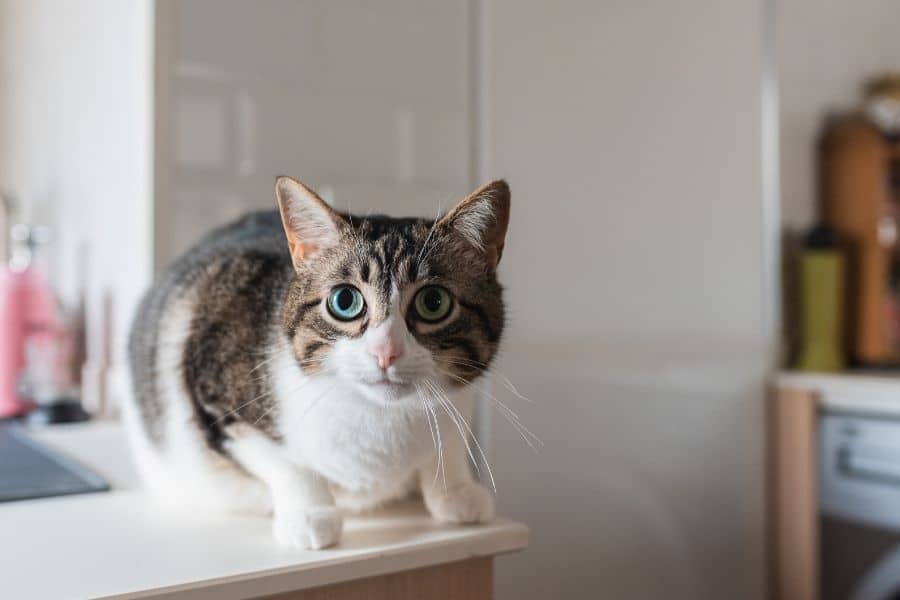
Cats do not ask for help. They do not limp dramatically into the room or whine at the food bowl to tell you something is wrong. What they do is change their behavior in ways that are often subtle, easy to explain away, and easy to miss if you do not know what you are looking for. Cat behavior changes that signal a medical problem rarely announce themselves as emergencies. They show up as slightly less time at the food bowl, a new preference for the back corner of a closet, and a reduction in the grooming ritual your cat normally keeps fastidiously. These shifts are your cat’s only way of telling you that something inside the body has changed. For Rochester cat owners whose pets spend more time indoors during the cold months, the ability to read subtle behavioral signals is even more important. Indoor cats cannot show you physical changes the way an outdoor cat’s coat, weight, or outdoor habits might reveal. This guide explains what to look for, what each behavioral change may mean medically, and when urgent care is the right call.
Why Cats Are the Hardest Patients to Read
Understanding cat behavior changes starts with understanding why cats suppress pain signals in the first place. Unlike dogs, who are social animals that benefit from communicating distress to their pack, cats evolved as solitary hunters. Showing pain or illness in the wild meant becoming prey. That suppression instinct is not something domestication has removed.
The practical result is that a cat with a brewing urinary blockage may use the litter box with visible straining for 12 hours before their owner recognizes anything is wrong. A cat in the early stages of kidney disease may reduce water intake for weeks before the symptom becomes obvious. Hyperthyroid cats often present with months of behavioral shifts, including restlessness and increased vocalization, before the physical signs of weight loss become pronounced.
Your value as a cat owner is not in diagnosing what is wrong. It is in noticing that something has changed and bringing that observation to a professional promptly.
Eight Behavioral Changes That Warrant a Same-Day Call
1. Hiding continuously for more than 24 hours A cat that does not emerge for meals, social contact, or bathroom visits over a full day is isolating because of pain or illness. This is one of the most reliable behavioral signals of serious illness in cats and should never be dismissed as moodiness.
2. Decreased or absent grooming Cats spend a significant portion of waking hours grooming. A cat whose coat is becoming matted, greasy, or unkempt has lost the energy, motivation, or physical flexibility to maintain it. Reduced grooming is consistently associated with pain, depression, and systemic illness.
3. Increased vocalization, especially at night A cat that begins yowling, crying, or howling at unusual hours, especially one that was previously quiet, may be experiencing pain, cognitive dysfunction, or hyperthyroidism. In senior cats, nighttime vocalization is one of the most common presenting signs of cognitive decline.
4. Refusing food for more than 24 hours Cats cannot safely fast. Unlike dogs, cats develop hepatic lipidosis, a form of liver failure, when they go without food for even a few days. Any cat that refuses food for a full day deserves a same-day vet call, especially if combined with any other symptom.
5. Changes in litter box behavior Visiting the box more than usual, crying in the box, going outside the box, or producing very little urine all suggest a urinary problem. In male cats specifically, difficulty urinating is a life-threatening emergency. A blocked male cat can die within 24 to 48 hours without treatment.
6. Sudden clinginess in a normally independent cat A cat that suddenly wants to be near you constantly, more than is typical for their personality, is often seeking proximity for emotional regulation during physical discomfort. While not a standalone emergency sign, it frequently pairs with other symptoms.
7. Aggression toward familiar people or pets A cat that hisses, swipes, or bites when touched in a specific location is protecting a painful area. This is one of the most direct forms of pain communication in cats. Identify where the aggression response is triggered and tell your vet precisely.
8. Reduction in jumping, climbing, or movement A cat that no longer uses the cat tree, avoids the couch, or moves stiffly when rising from rest is showing physical limitation. This pattern is common in early arthritis, disc disease, and soft tissue injuries, and it is consistently underdiagnosed in cats.
Seasonal and Climate Factors That Affect Cat Behavior
Winter in upstate New York affects indoor cats in ways that owners rarely anticipate. Reduced sunlight and lower temperatures indoors prompt many cats to sleep more and move less patterns that can mask the early signs of illness.
Cold months also bring increased heating system use, which lowers indoor humidity and can cause mild respiratory irritation, dry skin, and increased grooming-related hairball formation. Behavioral changes during winter that coincide with the heating season may be partially environmental, but medical causes should still be ruled out when symptoms persist.
Holiday seasons bring additional risks: guests in the home, changes in routine, new plants like lilies and poinsettias (both toxic to cats), and access to holiday foods, including onions and chocolate. A behavioral change in a cat that followed a period of household disruption or new plant introduction should be evaluated with possible toxin exposure in mind.
What Happens When You Bring Your Cat In for a Behavioral Concern
Veterinary evaluation of a cat with behavioral changes follows a thorough process. Your history is essential. Your vet will ask precisely what changed, when you first noticed it, how quickly it progressed, and whether any physical symptoms have accompanied the behavior shift.
The physical exam covers neurological reflexes, joint mobility, dental health, lymph nodes, abdominal palpation, and thyroid gland size (checked in the neck). A painful response during abdominal palpation may reveal the location and nature of internal discomfort.
Blood work, including thyroid levels, is standard for cats showing behavioral changes, particularly those in middle or senior-age brackets. Urinalysis complements the blood panel in identifying urinary tract conditions and kidney function changes. X-rays are added when joint pain, organ enlargement, or an abdominal mass is suspected.
Treatment depends entirely on diagnosis. Hyperthyroidism is managed with medication or radioactive iodine therapy. Arthritis is addressed with environmental modifications, pain management, and weight control. Cognitive dysfunction is supported with enrichment, dietary supplements, and medications where appropriate.
When to Call Without Waiting
Cat behavior changes that occur alongside any physical symptom should prompt a same-day call to your vet without exception.
Call Coldwater Animal Hospital at 585-247-7200 if your cat is hiding continuously, refusing food, straining in the litter box, breathing differently than usual, or showing any combination of behavioral and physical changes. We provide urgent care for cats presenting with behavioral warning signs and will help you determine how quickly your cat should be seen. Cats that are evaluated early, before behavioral changes become a clinical crisis, have significantly more treatment options and better outcomes. Book an appointment today.
Frequently Asked Questions
Q: My cat is older and sometimes acts confused. Is that just aging?
Ans: While some cognitive slowing is normal with age, confusion, disorientation, and nighttime vocalization are not inevitable parts of aging. These signs may indicate cognitive dysfunction syndrome, hypertension, or hyperthyroidism, all of which are diagnosable and manageable.
Q: Can a new cat in the household cause enough stress to trigger illness-like behavioral changes?
Ans: Yes. Feline herpesvirus, carried by many cats, can reactivate during social stress and cause eye and respiratory symptoms alongside behavioral changes. Other stress-related conditions include stress cystitis and appetite suppression. However, behavioral changes that persist beyond one to two weeks after the stressor warrant medical evaluation.
Q: How do I know if my cat’s reduced grooming is due to obesity or illness?
Ans: Obese cats often have difficulty reaching their hindquarters, producing a specific pattern of matting at the base of the tail and lower back. Illness-related grooming reduction tends to be more generalized. Your vet can distinguish between the two and address either cause appropriately.
Q: My cat used to be playful but now shows no interest in toys. Is this serious?
Ans: Loss of interest in play, especially in a previously active cat, is a behavioral change worth reporting to your vet, particularly if it has lasted more than a week or is accompanied by any other changes. It can reflect pain, cognitive changes, or systemic illness.
Q: Should I track my cat’s litter box output?
Ans: Yes. Noting how often your cat produces urine and stool, and what those outputs look like, provides your vet with invaluable information. A simple daily check takes seconds and can catch early urinary or gastrointestinal changes before they become urgent.