Appointments as Early as 8 AM, Monday-Saturday!
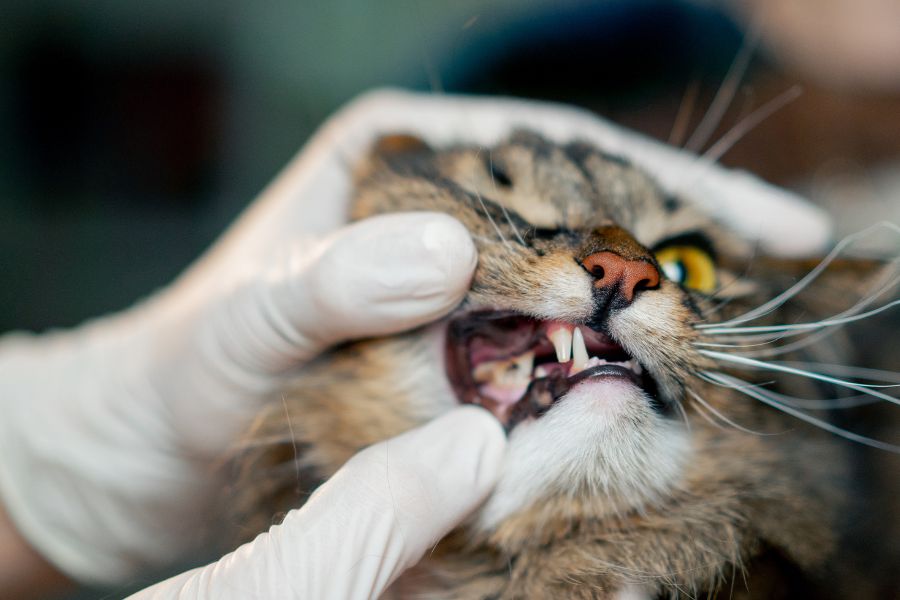
Dental disease in cats is one of the most common yet often unnoticed health problems affecting felines today. Many pet owners don’t realize their cat is in pain until the condition becomes severe. In this guide, we’ll explore the early warning signs of dental disease in cats, what causes it, and how you can take simple steps to protect your cat’s oral health before it leads to serious complications.
What Is Dental Disease in Cats?
Dental disease in cats refers to conditions that affect the teeth, gums, and overall mouth structure. These problems typically begin with plaque buildup and can progress into more serious infections if left untreated.
The most common types include:
- Gingivitis: Inflammation of the gums caused by plaque
- Periodontitis: Advanced gum disease that damages tissues and bone
- Tooth resorption: A painful condition where the tooth structure breaks down
- Tartar buildup: Hardened plaque that leads to infection
Studies show that by the age of three, most cats develop some level of dental disease. This makes routine dental care an essential part of maintaining long-term cat oral health.
Why Early Detection Is Critical
Cats are naturally good at hiding pain, which makes detecting dental issues challenging. However, untreated cat dental problems symptoms can quickly escalate into serious health risks.
Early detection helps:
- Prevent severe infections
- Reduce the need for invasive procedures
- Improve your cat’s comfort and eating habits
- Avoid complications that can affect vital organs
In Rochester, where pets often experience seasonal lifestyle changes, regular wellness visits can help catch dental issues early and keep your cat healthy year-round.
7 Warning Signs of Dental Disease in Cats
Recognizing the early signs of dental disease in cats can make a significant difference in your pet’s health.
1. Persistent Bad Breath
Bad breath is not normal in cats. A strong, unpleasant odor is often the first sign of bacteria buildup or infection in the mouth.
If your cat’s breath smells unusually foul, it’s time for a dental checkup.
2. Changes in Eating Habits
One of the most noticeable cat tooth decay symptoms is a change in how your cat eats. Oral pain can make chewing difficult.
Look for:
- Eating less than usual
- Dropping food while chewing
- Favoring one side of the mouth
- Preferring soft food over dry kibble
These subtle changes often indicate underlying dental discomfort.
3. Red or Bleeding Gums
Healthy gums should be light pink and firm. If you notice redness, swelling, or bleeding, it’s likely a sign of gingivitis or early periodontal disease.
This is one of the most visible cat dental problems symptoms and should never be ignored.
4. Excessive Drooling
While occasional drooling can happen, excessive or unusual drooling is a warning sign. In more serious cases, saliva may be tinged with blood.
Drooling often indicates pain, infection, or difficulty swallowing due to dental disease.
5. Pawing at the Mouth
Cats experiencing oral discomfort may paw at their mouth or rub their face against objects. This behavior is often mistaken for grooming but can signal irritation or pain.
6. Loose, Broken, or Missing Teeth
Adult cats should have stable teeth. If you notice loose or missing teeth, it usually indicates advanced dental disease.
This stage often requires immediate veterinary care and possibly tooth extraction.
7. Behavioral Changes
Dental pain can affect your cat’s personality. A normally social cat may become withdrawn, irritable, or even aggressive.
If your cat suddenly avoids interaction or hides more often, dental discomfort could be the cause.
Common Causes of Dental Disease in Cats
Understanding what leads to dental disease in cats can help you take preventive action early.
Plaque and Tartar Buildup
Food particles and bacteria form plaque, which hardens into tartar if not removed. This is the primary cause of dental disease.
Poor Diet
Soft or low-quality diets may not provide enough abrasion to naturally clean teeth, leading to buildup.
Lack of Dental Care
Skipping brushing or professional cleanings allows bacteria to accumulate over time.
Age and Genetics
Older cats and certain breeds are more prone to dental issues, making regular monitoring essential.
How Veterinarians Diagnose Dental Disease
A proper diagnosis goes beyond a quick visual check. Veterinarians use a combination of methods to evaluate cat oral health:
- Physical examination: Checking teeth, gums, and mouth condition
- Dental X-rays: Identifying problems below the gumline
- Assessment of symptoms: Evaluating pain, inflammation, and infection
At Coldwater Animal Hospital, early diagnostic care ensures that dental issues are identified before they become severe, helping pets avoid unnecessary pain.
Treatment Options for Dental Disease in Cats
The treatment plan depends on how advanced the condition is.
Early-Stage Treatment
- Professional dental cleaning
- Removal of plaque and tartar
- Recommendations for home care
Advanced Treatment
- Tooth extractions
- Antibiotics to treat infection
- Pain management therapies
- Deep cleaning under anesthesia
Timely treatment can restore comfort and prevent further complications.
How to Prevent Dental Disease in Cats
Preventing dental disease in cats is much easier than treating it. A consistent care routine can make a huge difference.
1. Brush Your Cat’s Teeth Regularly
Use pet-safe toothpaste and a soft brush. Even brushing a few times a week can significantly reduce plaque.
2. Provide Dental-Friendly Diets
Special diets and treats are designed to support a cat’s oral health by reducing buildup.
3. Schedule Routine Vet Visits
Regular checkups help detect early cat dental problems symptoms before they worsen.
4. Use Dental Toys and Chews
These can help naturally clean teeth and stimulate gums.
5. Professional Dental Cleanings
Annual cleanings are recommended for most cats, especially as they age.
When to Visit the Vet
It’s important not to delay care if you notice any symptoms of dental disease in cats. Seek veterinary attention if your cat shows:
- Persistent bad breath
- Difficulty eating or chewing
- Swollen or bleeding gums
- Excessive drooling
- Sudden behavior changes
Early treatment not only reduces pain but also lowers the risk of serious health complications.
Conclusion
Dental disease in cats is a silent but serious condition that can greatly impact your pet’s quality of life. By learning to recognize early cat tooth decay symptoms and maintaining a consistent dental care routine, you can prevent unnecessary pain and long-term health issues. Regular veterinary visits and at-home care are key to keeping your cat healthy. If you are a cat parent in Rochester and notice any signs of dental problems, schedule a checkup with Coldwater Animal Hospital, and take the first step toward protecting your cat’s oral health.
FAQs
Q1: What are common cat dental problems symptoms?
Ans: Common symptoms include bad breath, red gums, drooling, and difficulty eating. These signs often indicate plaque buildup or early dental disease.
Q2: How can I tell if my cat has tooth decay?
Ans: Cat tooth decay symptoms include pain while eating, pawing at the mouth, and visible tartar or damaged teeth.
Q3: How often should cats get dental checkups?
Ans: Most cats should have a dental exam at least once a year, though some may need more frequent visits based on their oral health.
Q4: Can dental disease affect my cat’s overall health?
Ans: Yes, untreated dental disease can lead to infections that may affect organs like the heart and kidneys.
Q5: What is the best way to maintain my cat’s oral health?
Ans: Regular brushing, dental treats, routine vet visits, and professional cleanings are the most effective ways to maintain good oral health in cats.