Appointments as Early as 8 AM, Monday-Saturday!
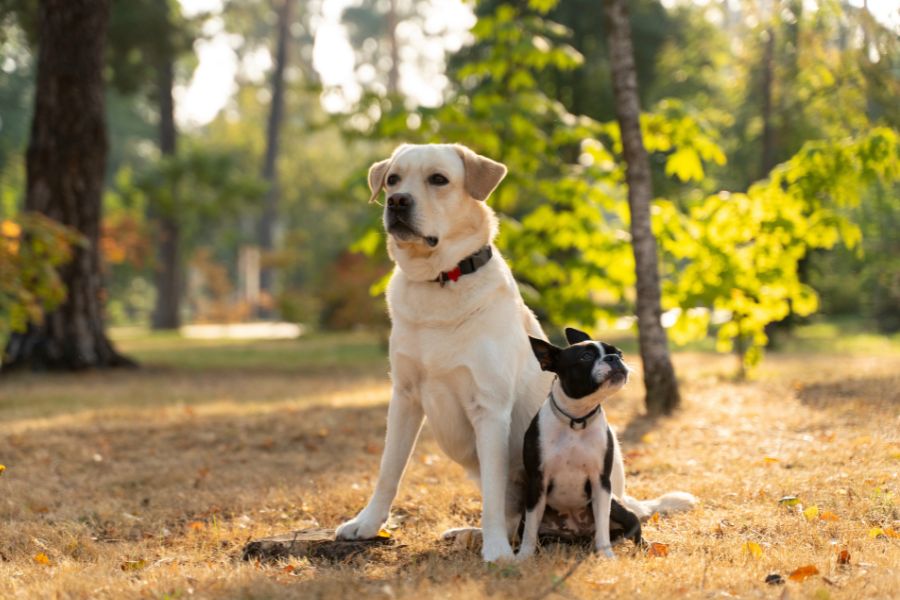
Why do large-breed dogs have shorter lifespans than small dogs? It’s a question many pet parents ask after noticing that Great Danes and Mastiffs often age faster than Chihuahuas or Toy Poodles. While we might assume bigger means stronger, biology tells a different story.
In this guide, we’ll explain why large-breed dogs have shorter lifespans than small dogs, explore the science behind canine aging, and share practical tips to help your big dog.
Understanding the Lifespan Gap Between Large and Small Dogs
On average, small dog breeds live 12–16 years, while many large-breed dogs live 8–12 years. Giant breeds may even have a life expectancy closer to 7–10 years.
This difference isn’t random. It’s linked to:
- Growth rate
- Cellular aging
- Breed-related diseases
- Joint and organ stress
- Cancer risk
Interestingly, in most animal species, larger animals tend to live longer. Elephants outlive mice. Whales outlive seals. Dogs are the exception. So why do large-breed dogs have shorter lifespans than small dogs? Let’s break it down.
Rapid Growth: The Hidden Cost of Getting Big Fast
Large-breed puppies grow incredibly fast during their first year. A Great Dane puppy can go from a few pounds to over 100 pounds in less than 12 months.
That rapid growth:
- Increases oxidative stress
- Speeds up cellular division
- Puts strain on developing bones and joints
- May accelerate biological aging
Think of it like revving an engine constantly at high speed. Over time, the wear and tear add up. Researchers believe this accelerated growth contributes significantly to why large-breed dogs have shorter lifespans than small dogs.
Higher Cancer Rates in Large-Breed Dogs
One of the biggest factors behind the lifespan difference is cancer.
Large and giant breeds have a higher risk of certain cancers, including:
- Osteosarcoma (bone cancer)
- Hemangiosarcoma
- Lymphoma
Studies suggest that cancer is responsible for a significant portion of early mortality in large dogs. The exact reason isn’t fully understood, but it may relate to:
- Faster cell replication
- Genetic predisposition
- Body size and cellular mutation rates
For pet owners, early screening and routine exams can help detect cancer sooner, when treatment options are more effective.
Joint and Orthopedic Stress
When a dog weighs 80–150 pounds, every step places considerable pressure on their joints.
Common issues in large breeds include:
- Hip dysplasia
- Elbow dysplasia
- Arthritis
- Cruciate ligament injuries
Chronic joint problems reduce mobility, lower quality of life, and may contribute indirectly to shorter lifespans.
Cold winters can also make arthritis worse. Snow, ice, and cold temperatures may increase joint stiffness, especially in senior large-breed dogs. Keeping them warm and maintaining a healthy weight is essential.
Heart and Organ Strain
Large dogs also face an increased risk of heart disease, such as:
- Dilated cardiomyopathy (DCM)
- Congestive heart failure
A bigger body requires more effort from the heart and circulatory system. Over time, that extra workload can shorten lifespan.
Additionally, large dogs tend to age faster at the cellular level. Research shows that large breeds experience a more rapid age-related decline compared to smaller breeds.
Genetics plays a Major Role
Selective breeding has amplified certain traits in large dogs, such as size, muscle mass, and growth speed. Unfortunately, this has sometimes come at a cost.
Many large breeds were developed for:
- Guarding
- Working
- Draft pulling
- Hunting
These roles prioritized strength and size over longevity. Smaller companion breeds, on the other hand, were often bred for companionship and adaptability, which may have unintentionally favored longer lifespans.
Metabolism and Aging: A Biological Perspective
Another reason why large-breed dogs have shorter lifespans than small dogs involves metabolism and growth signaling pathways.
Growth hormones and IGF-1 (insulin-like growth factor) levels are higher in large dogs. While these hormones promote size, they are also associated with faster aging in multiple species.
In simple terms:
- Higher growth signals = faster aging
- Faster aging = shorter lifespan
This biological trade-off helps explain why body size directly impacts longevity in dogs.
Can Large Dogs Live Longer?
While genetics play a role, environment and healthcare matter tremendously. Here’s how you can help extend your large dog’s lifespan:
1. Maintain a Healthy Weight
Excess weight dramatically increases joint strain and heart workload. Even 5–10 extra pounds can shorten lifespan in large breeds.
2. Feed Breed-Appropriate Nutrition
Large-breed formulas are designed to:
- Support joint health
- Control growth in puppies
- Balance calcium and phosphorus levels
Avoid overfeeding during the puppy stage to prevent developmental issues.
3. Schedule Regular Wellness Exams
Early detection saves lives. Annual exams (or twice yearly for seniors) allow veterinarians to monitor:
- Heart health
- Cancer signs
- Joint degeneration
- Bloodwork changes
4. Support Joint Health Early
Consider:
- Omega-3 supplements
- Glucosamine/chondroitin
- Low-impact exercise like swimming
5. Encourage Safe, Consistent Exercise
Large dogs need movement, but avoid repetitive high-impact activities on hard surfaces.
For dog owners, indoor play during icy months can reduce injury risk.
Signs Your Large Dog Is Aging Faster
Because large breeds age more quickly, they may show senior signs earlier, often around 6–7 years old.
Watch for:
- Slower movement
- Joint stiffness
- Decreased stamina
- Behavioral changes
- Increased thirst or urination
If you notice these signs, a veterinary checkup is important. Early intervention can improve both lifespan and quality of life.
Why Local Veterinary Care Matters
Climate brings unique challenges:
- Cold winters affect arthritis
- Seasonal allergies
- Limited outdoor exercise in snow months
Working with a local veterinary team that understands these regional factors can make a difference in your dog’s health outcomes.
At Coldwater Animal Hospital, we help large-breed dog owners develop personalized wellness plans focused on preventive care, early disease detection, and long-term health support.
Conclusion
So, why do large-breed dogs have shorter lifespans than small dogs? The answer lies in rapid growth, higher cancer risk, joint strain, heart workload, and genetic factors. While size plays a biological role in aging, proactive care can significantly improve both lifespan and quality of life.
If you have a large-breed dog in Rochester, regular wellness exams, weight management, and early screenings are key to helping your companion live their fullest life. Contact us today and let’s create a long-term health plan tailored to your dog’s needs.
FAQs
Q1: Why do large-breed dogs age faster than small dogs?
Ans: Large dogs grow more rapidly and experience higher cellular stress, which accelerates aging and increases the risk of certain diseases like cancer.
Q2: What is the average lifespan of a large-breed dog?
Ans: Most large-breed dogs live between 8 and 12 years, while giant breeds may live 7 to 10 years, depending on genetics and health care.
Q3: Can diet help large dogs live longer?
Ans: Yes. Feeding a large-breed-specific diet that supports joint health and controlled growth can reduce long-term health risks and improve lifespan.
Q4: At what age is a large dog considered a senior?
Ans: Large-breed dogs are often considered seniors around 6–7 years old due to their faster aging process.
Q5: How can I extend my large dog’s lifespan?
Ans: Maintain a healthy weight, schedule regular vet exams, support joint health, provide balanced nutrition, and monitor for early signs of disease.