Appointments as Early as 8 AM, Monday-Saturday!
Rabies in cats is a rare but deadly viral disease that poses serious risks to both pets and humans. Understanding rabies symptoms in cats, how the virus spreads, and why the rabies vaccine for cats is essential can help protect your pet and your family. In this guide, we’ll break down everything cat owners need to know about prevention, early signs, and life-saving care.
What Is Rabies in Cats and Why Does It Matter
Rabies is a viral infection that attacks the central nervous system of mammals, including cats and humans. Once symptoms appear, the disease is almost always fatal. That’s why preventive care, especially vaccination, plays a crucial role in keeping your pet safe.
In areas like Rochester, wildlife such as raccoons, bats, and foxes can carry rabies. Even minimal exposure, like a bite or scratch, can transmit the virus.
Key facts about rabies in cats:
- It spreads through saliva, typically via bites
- It affects the brain and spinal cord
- There is no cure once symptoms develop
- It is preventable with proper vaccination
Rabies Symptoms in Cats: Early and Advanced Signs
Recognizing rabies symptoms in cats early can be difficult because they often mimic other illnesses. However, the disease progresses rapidly.
Early Signs of Rabies in Cats May Show
- Sudden behavioral changes (friendly cats becoming aggressive)
- Fever and lethargy
- Loss of appetite
- Excessive grooming or licking at a bite wound
Signs of Rabies in Cats: Don’t ignore
As the virus spreads, symptoms become more severe:
- Aggression or unusual fearfulness
- Difficulty swallowing
- Excessive drooling or foaming at the mouth
- Paralysis, especially in the hind legs
- Seizures
These signs that cats display usually indicate the disease has reached a critical stage.
How Rabies Spreads: Understanding Transmission
Rabies transmission occurs when infected saliva enters the body through broken skin. This is most commonly through bites, but can also happen through scratches or open wounds.
Common Sources of Rabies Exposure
- Bites from infected wildlife (raccoons, bats, foxes)
- Contact with stray or unvaccinated animals
- Outdoor fights between cats
Even a small, unnoticed wound can lead to infection. That’s why indoor cat rabies risk is still a concern.
Indoor Cat Rabies Risk: Is Your Cat Really Safe?
Many cat owners assume indoor cats don’t need vaccinations—but this is a dangerous misconception.
Why Indoor Cats Are Still at Risk
- Bats can enter homes through small openings
- Cats may escape outdoors unexpectedly
- New pets or rescued animals may carry the virus
Even in a controlled home environment, the indoor cat rabies risk is never zero.
Rabies Vaccine for Cats: Your Pet’s Best Protection
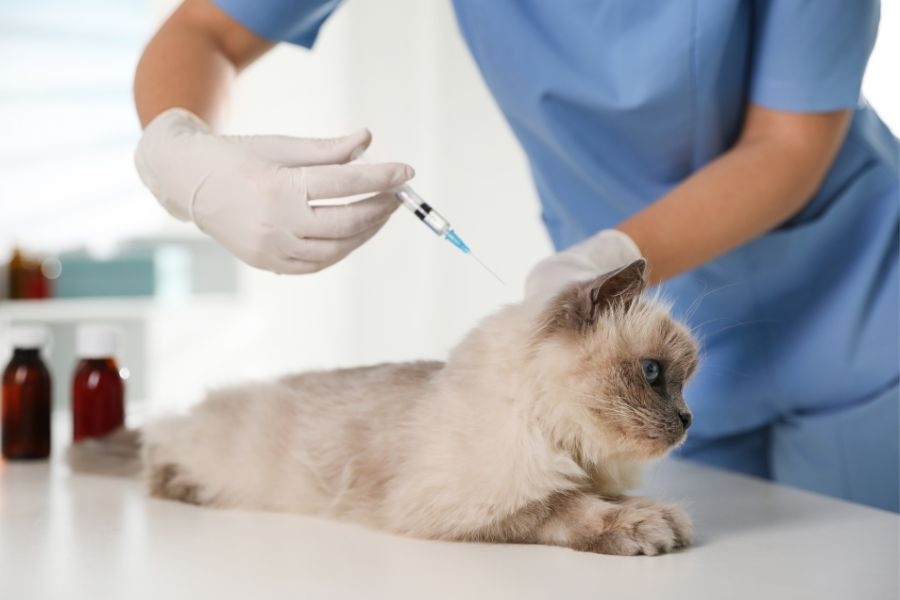
The rabies vaccine for cats is the most effective way to prevent infection. It’s not just recommended it’s legally required in many states, including New York.
Vaccination Schedule
- First dose: Around 12–16 weeks of age
- Booster: One year later
- Follow-up boosters: Every 1–3 years, depending on the vaccine
Benefits of Rabies Vaccination
- Protects your cat from a fatal disease
- Prevents transmission to humans
- Required for boarding, grooming, and travel
- Helps avoid quarantine or euthanasia in case of exposure
At Coldwater Animal Hospital, veterinarians emphasize routine vaccination as a core part of preventive care.
What to Do If You Suspect Rabies in Your Cat
Rabies is a medical emergency. If your cat shows unusual behavior or has been exposed to wildlife:
Immediate Steps to Take
- Do not touch your cat directly—rabies can spread to humans
- Isolate your cat in a secure area
- Contact your veterinarian immediately
- Notify local animal control if exposure is confirmed
Early intervention can help manage exposure risks, especially if your cat is already vaccinated.
Diagnosis and Treatment: What to Expect
Unfortunately, rabies cannot be definitively diagnosed in a living animal. Testing is typically done after death through brain tissue analysis.
Important Notes
- There is no cure once symptoms appear
- Supportive care is not effective in advanced stages
- Prevention through vaccination is the only reliable protection
This makes recognizing rabies symptoms in cats and staying proactive absolutely critical.
Rabies Prevention Tips for Cat Owners
Preventing rabies goes beyond vaccination. A comprehensive approach to preventive care ensures your pet stays protected.
Practical Prevention Strategies
- Keep your cat indoors whenever possible
- Avoid contact with stray or wild animals
- Secure trash and outdoor food sources
- Regularly inspect your home for entry points (especially for bats)
- Stay up to date on vaccinations
These steps significantly reduce the chances of exposure.
Why Rabies Vaccination Is Non-Negotiable
Rabies isn’t just a pet health issue; it’s a public health concern. Because it can spread to humans, strict laws and guidelines are in place.
Key Reasons to Never Skip Vaccination
- Rabies is 100% fatal once symptoms appear
- It protects both pets and people
- Legal compliance avoids fines or penalties
- Prevents emotional and financial stress from quarantine procedures
In Rochester, NY, veterinarians strongly advocate routine rabies shots as a life-saving necessity.
Conclusion
Rabies in cats is rare but devastating. Understanding rabies symptoms in cats, knowing the signs of rabies cats show, and recognizing the real indoor cat rabies risk can make all the difference. The most important takeaway is simple: the rabies vaccine for cats is not optional it’s essential.
Protect your cat and your family by staying proactive with cat preventive care. If your pet is due for vaccination or you have concerns about exposure, schedule an appointment with Coldwater Animal Hospital today.
FAQs
Q1: What are the first rabies symptoms in cats?
Early rabies symptoms in cats include behavior changes, fever, low appetite, and unusual aggression or withdrawal. These signs can appear subtle but progress quickly.
Q2: Can indoor cats get rabies?
Yes, indoor cat rabies risk exists due to possible exposure to bats, escaped outdoor trips, or contact with infected animals brought into the home.
Q3: How often do cats need a rabies vaccine?
Cats typically receive their first rabies vaccine at 12–16 weeks, followed by a booster after one year and then every 1–3 years depending on regulations.
Q4: Is rabies in cats treatable?
No, rabies is not treatable once symptoms appear. Prevention through vaccination is the only effective way to protect your cat from the disease.
Q5: What should I do if my cat is bitten by a wild animal?
Immediately isolate your cat and contact a veterinarian. Quick action is crucial, especially if your cat’s rabies vaccine is not up to date.