Appointments as Early as 8 AM, Monday-Saturday!
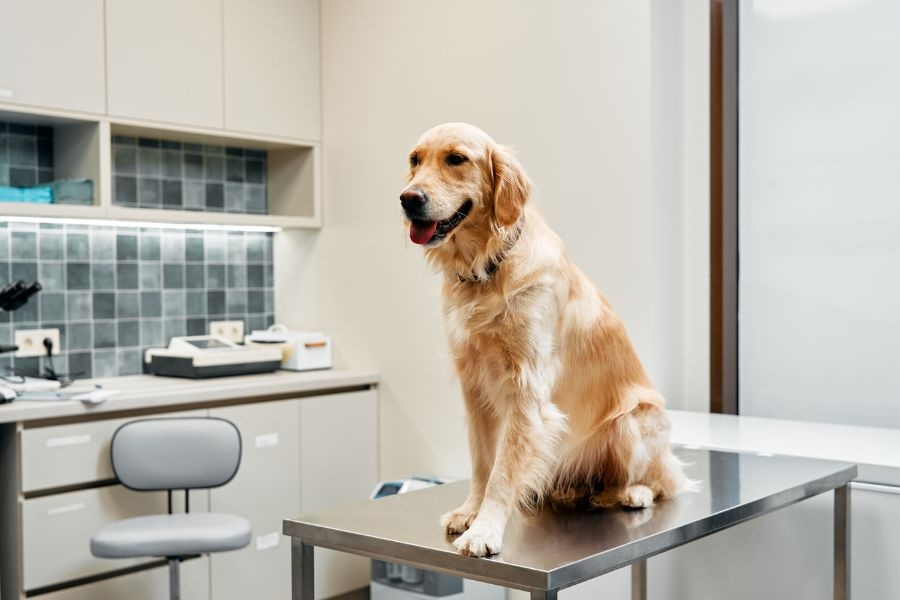
Your senior pet has spent years giving you unconditional love. Now it is your turn to give them the extra attention they need. As pets age, their bodies change in ways that require a different kind of care. In Rochester, we see aging dogs and cats every week facing new health challenges their owners were not expecting. Routine habits that worked at age three may not be enough at age ten. Joints stiffen. Hearing fades. Appetites shift. Knowing what to watch for makes a real difference in your pet’s quality of life. This guide covers the most important senior pet care tips every pet owner should know, from spotting early warning signs to creating a more comfortable home environment. Your aging companion deserves to feel safe, loved, and comfortable every single day.
Understanding What “Senior” Means for Your Pet
The definition of “senior” depends on your pet’s species and size. Most dogs are considered senior around age seven, though large and giant breeds age faster. Cats typically reach senior status around age ten or eleven.
Once a pet enters their senior years, the body undergoes real physiological changes. Organ function slows. The immune system becomes less efficient. Metabolism changes, which can lead to weight gain or loss. According to the American Veterinary Medical Association (AVMA), pets aged seven and older benefit from twice-yearly wellness exams instead of annual visits.
In our experience, many pet owners do not realize their pet has entered the senior phase until a problem appears. Getting ahead of those changes with regular checkups is the most effective thing you can do.
Aging Dog Health Signs You Should Never Ignore
How do you know when your dog is showing signs of age-related decline? Watching for the right signals early gives your vet more options for treatment and support.
Signs to watch for include:
- Slowing down on walks. If your dog lags behind or refuses to finish a route, joint pain may be the cause, not laziness.
- Increased thirst or urination. This can signal kidney disease, diabetes, or hormonal changes.
- Changes in appetite. Eating less or more than usual is often tied to dental pain, metabolic shifts, or underlying illness.
- Confusion or disorientation. Senior dogs can develop cognitive dysfunction syndrome, which is similar to dementia in humans.
- Lumps or skin changes. New growths should always be evaluated by a vet, even if they appear small or harmless.
Pet owners often tell us they assumed these changes were “just aging” and waited too long to come in. Catching aging dog health signs early allows for earlier intervention and better outcomes. If you notice any of these signs, contact your veterinarian promptly.
How to Help a Pet with Arthritis in Older Pets
Does your older pet have arthritis? Arthritis in older pets is one of the most common conditions we treat, and it is also one of the most manageable with the right approach.
An estimated 80 percent of dogs over age eight show some signs of joint disease. Cats are equally affected, though they tend to hide their discomfort better than dogs do. Watch for stiffness when rising, reluctance to jump, or changes in grooming habits in cats.
Here are practical steps to support a pet with joint pain:
- Provide orthopedic bedding. A firm, supportive bed reduces pressure on stiff joints overnight.
- Add ramps or steps. Jumping on and off furniture strains arthritic joints significantly.
- Keep exercise gentle and consistent. Short, frequent walks are better than long, infrequent ones.
- Ask your vet about joint supplements. Omega-3 fatty acids and glucosamine are commonly recommended.
- Maintain a healthy weight. Every extra pound adds stress to already-compromised joints.
Never give your pet human pain medications without consulting your vet first. Many over-the-counter pain relievers are toxic to dogs and cats. Your vet will determine the safest treatment plan based on your pet’s specific condition and history.
Senior Cat Wellness Care: What Changes as Cats Age
Cats are masters at hiding pain and illness. Senior cat wellness care requires a more proactive approach because cats will rarely show obvious distress until a condition is well advanced.
One of the most common questions we get from pet owners is whether their older cat’s changes in behavior are normal. Increased vocalization, litter box accidents, and weight loss are all red flags that something medical may be happening. Hyperthyroidism, kidney disease, and dental disease are among the most frequently diagnosed conditions in senior cats.
We frequently remind our clients that a cat’s age in human years accelerates quickly after ten. A fifteen-year-old cat may be comparable to a human in their late seventies. Routine bloodwork and urinalysis every six months can catch kidney and thyroid changes before they become severe.
Senior cat wellness care also means paying closer attention to dental health. Tooth resorption and gum disease are extremely common in older cats and are a significant source of chronic pain that goes undetected in many households.
Creating a Comfortable Home Environment for an Aging Pet
Small changes at home can make a big difference for a pet in their senior years. Old pet comfort tips do not require expensive renovations. They just require attention to your pet’s daily needs and movement patterns.
Start with the basics:
- Raise food and water bowls. Bending down to floor level strains arthritic necks and shoulders.
- Use non-slip rugs. Smooth floors are dangerous for pets with weakened muscles or joint issues.
- Keep the litter box accessible. For cats, a litter box with low sides prevents painful climbing.
- Provide warmth. Older pets feel cold more acutely. A warm sleeping spot away from drafts is essential in colder climates like Rochester.
- Stick to routines. Cognitive decline in senior pets worsens with unpredictability. Consistent meal times, walks, and bedtimes reduce anxiety.
A common misconception among pet owners is that slowing down is inevitable and nothing can be done. That is not true. With environmental modifications, appropriate veterinary care, and attentive daily monitoring, many senior pets maintain an excellent quality of life for years. The goal is not just adding years to their life but adding life to their years.
Old pet comfort tips like these are simple but powerful when applied consistently every day.
Caring for Your Senior Pet Starts Today
Your aging pet cannot tell you when something hurts. They depend on you to notice the changes and take action. The senior years can be some of the most rewarding times you spend with your companion, as long as they are met with the right care and attention.
Stay current with twice-yearly veterinary exams. Monitor weight, appetite, and behavior closely. Create a home environment that supports mobility and comfort. Do not wait for a crisis to address the signs your pet has been showing for months. These senior pet care tips give you the foundation to act early and advocate confidently for your pet’s health.
At Coldwater Animal Hospital, we are here to help you navigate every stage of your pet’s life with compassion and expertise. Book an appointment today.
Frequently Asked Questions
At what age is a dog considered a senior pet?
Ans: Most dogs are considered senior at around age seven. However, larger breeds like Great Danes and Mastiffs may reach senior status closer to age five or six, while smaller breeds may not show significant aging until age eight or nine. Your veterinarian can help you identify when your specific dog has entered their senior phase.
How often should I take my senior pet to the vet?
Ans: The AVMA recommends twice-yearly wellness exams for pets aged seven and older. Senior pets are at higher risk for conditions like kidney disease, diabetes, arthritis, and dental disease. More frequent visits allow your vet to catch changes early when treatment options are broader and more effective.
Can arthritis in older pets be cured?
Ans: Arthritis in older pets cannot be cured, but it can be managed effectively. Treatment options include joint supplements, prescription anti-inflammatory medications, weight management, physical therapy, and environmental modifications like orthopedic bedding and ramps. Your vet will create a management plan tailored to your pet’s specific condition and comfort needs.
What are the signs of cognitive decline in senior dogs and cats?
Ans: Signs of cognitive decline include confusion, disorientation, staring at walls, forgetting familiar routines, changes in sleep patterns, increased vocalization at night, and reduced interest in interaction. These symptoms resemble dementia in humans. If you notice any of these changes, bring them to your vet’s attention promptly so a proper evaluation can be done.
Is weight gain normal in older pets?
Ans: Some metabolism slowing is normal with age, but significant weight gain is not something to ignore. Excess weight worsens arthritis, strains the heart, and increases the risk of diabetes. Your vet can recommend a senior-specific diet and appropriate exercise adjustments to help your pet maintain a healthy weight throughout their golden years.
Related Articles