Appointments as Early as 8 AM, Monday-Saturday!
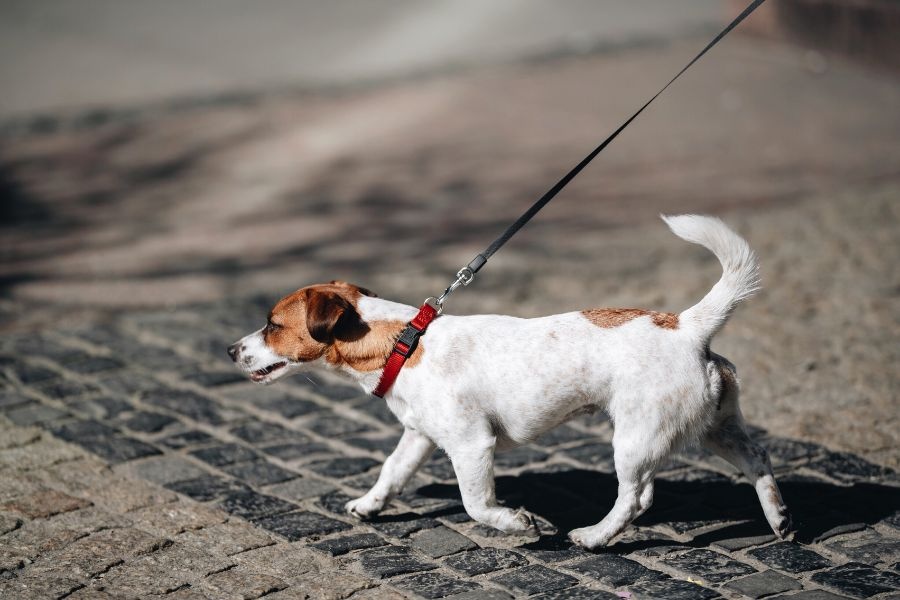
Summer walks should be fun for your dog. But hot pavement can turn a simple stroll into a painful experience. Asphalt and concrete absorb heat fast, and surface temperatures can reach 140 degrees Fahrenheit or higher on a warm afternoon. Your dog cannot tell you their paws are hurting. By the time you notice something is wrong, the damage may already be done. Dog paw burn treatment is something we handle more often than most pet owners expect during the summer months. Knowing what to watch for, how to respond quickly, and how to keep paws safe all season long can make a real difference for your dog’s comfort and health. This guide covers exactly what vets recommend, so you can walk confidently with your dog all summer.
Why Hot Pavement Hurts Dogs More Than You Think
Pavement holds heat long after the sun moves. A surface that feels warm to your hand can be scalding at ground level. Dogs walk without shoes, and their paw pads are in direct contact with that heat for the entire length of a walk.
Paw pads are tough, but they are not invincible. They can blister, peel, and crack under prolonged heat exposure. Many dogs do not cry or limp right away. They push through the discomfort, which is why owners often do not realize something is wrong until the pads are visibly damaged.
A useful test: place the back of your hand on the pavement for seven seconds. If you cannot hold it there comfortably, it is too hot for your dog’s paws. This simple check takes seconds and can prevent a painful injury.
Hot pavement dog paws are one of the most common summer concerns we hear about at veterinary practices across New York. Brick, asphalt, and dark-colored pavement are the worst offenders. Even shaded pavement can retain dangerous heat if the air temperature is high.
What Are the Signs of Burned Paw Pads in Dogs?
Burned paw pads can be easy to miss at first. Knowing the signs early gives you a better chance of catching the problem before it worsens.
Watch for these signs of burned paw pads:
- Limping or reluctance to walk: Your dog may slow down, stop, or favor one leg during or after a walk.
- Licking or chewing at the paws: This is your dog’s instinct to soothe pain. Frequent licking after a walk is a red flag.
- Redness or discoloration on the pads: Healthy pads are uniform in color. Pink, red, or darkened patches signal irritation or injury.
- Blisters or loose skin: Visible blistering means the burn is moderate to severe. Do not pop blisters. Contact your vet promptly.
- Whimpering or pulling away when paws are touched: Pain on contact is a clear sign that something is wrong.
In our experience, dogs with early-stage paw burns are often misread as “tired” after a walk. Pet owners often tell us they had no idea the sidewalk could cause that level of injury so quickly. If you notice any of these signs, contact your veterinarian promptly.
How to Protect Dog Paws in Summer Heat
The good news is that burned paws are almost entirely preventable. A few adjustments to your routine can protect your dog all season long.
Here is what vets consistently recommend to protect dog paws from summer heat:
- Walk during cooler hours. Early morning before 9 a.m. or evening after 7 p.m. keeps pavement temperatures down significantly.
- Choose grass or shaded paths. Grass stays much cooler than pavement. If you have a park nearby, use it.
- Use dog booties. Many dogs resist them at first, but booties are one of the most effective physical barriers against heat. Start with short indoor sessions to help your dog adjust.
- Apply a vet-approved paw wax. Paw balms and waxes create a protective layer. Ask your vet which products are safe for your specific dog.
- Carry water and rest often. Hydration supports overall heat regulation. Take breaks on cool surfaces like grass or shade.
We frequently remind our clients in Rochester that summer heat in upstate New York can still get intense enough to damage paws. Even on days that do not feel extreme, pavement absorbs heat quietly. Dog paw pad care throughout the season keeps small problems from becoming bigger ones.
What to Do If Your Dog’s Paws Are Burned
Acting quickly after a suspected paw burn reduces discomfort and helps the pads heal faster.
Follow these steps right away:
- Move your dog off the hot surface immediately. Carry them if needed to reduce continued exposure.
- Cool the paws with room-temperature water. Do not use ice or cold water. Extreme cold can cause additional tissue damage.
- Gently clean the area. Use a clean, soft cloth. Remove any debris without scrubbing.
- Do not apply butter, oil, or human burn creams. These can trap heat and introduce bacteria.
- Wrap loosely with a clean bandage if the skin is broken. This is temporary only. Your dog needs veterinary attention.
- Call your vet. Even minor paw burns should be evaluated. Hot pavement dog paws injuries can become infected quickly without proper care.
Many pet owners assume paw burns will heal on their own with rest. Some will, but others develop infections, scarring, or structural damage to the pad. Getting a professional evaluation protects your dog from complications you cannot see on the surface.
Dog diagnostic care allows veterinarians to properly assess the depth of a paw burn, rule out infection, and recommend the right course of treatment for your dog’s specific injury.
Coldwater Animal Hospital has helped many Rochester dogs recover from summer paw injuries. Early intervention produces the best outcomes, so do not wait if you are concerned.
How Vets Treat Burned Paw Pads
Treatment depends on the severity of the burn. Mild cases may need only cleaning, a topical treatment, and a few days of rest. Moderate to severe cases require more involved care.
Your vet may:
- Clean and debride damaged tissue to remove dead skin and reduce infection risk
- Prescribe a topical or oral antibiotic if infection is present or likely
- Apply a protective bandage that allows healing without further abrasion
- Recommend pain management appropriate for your dog’s size and health status
- Schedule a follow-up to monitor healing progress
Recovery time varies. Mild burns may resolve within a week. More serious injuries can take two to four weeks, depending on the depth of damage and how quickly treatment began. Your vet will determine the correct plan based on your dog’s weight, age, and overall health.
We see better outcomes every time treatment begins early. Waiting even a day or two can allow infection to set in. If your dog is limping after a summer walk, do not talk yourself out of getting them checked.
Your dog depends on you to make decisions they cannot make for themselves. Preventing paw burns is simple once you know what to look for and when to walk. If something does go wrong, fast action and proper dog paw burn treatment make a meaningful difference in how quickly your dog recovers and how comfortably they heal. Check the pavement before every summer walk, keep paws clean and moisturized, and never hesitate to call your vet if you notice anything unusual. Coldwater Animal Hospital is here to support your dog’s health all year long. Book an appointment today.
Frequently Asked Questions
Q: How hot does pavement need to be to burn a dog’s paws?
Ans: Pavement can begin causing discomfort at surface temperatures around 125 degrees Fahrenheit, and burns can occur rapidly at 140 degrees or higher. On a day with an air temperature of 87 degrees, asphalt can easily exceed 140 degrees in direct sunlight.
Q: What are the signs of burned paw pads in dogs?
Ans: Signs include limping, licking or chewing at the paws, redness or blistering on the pads, and whimpering when the paws are touched. If you notice any of these after a walk on hot pavement, contact your vet promptly.
Q: Can I treat my dog’s burned paws at home?
Ans: You can provide immediate first aid by moving your dog off the hot surface and cooling the paws with room-temperature water. However, a veterinary evaluation is strongly recommended, as paw burns can become infected and may be more serious than they appear.
Q: How do I protect my dog’s paws in summer?
Ans: Walk during early morning or evening hours when pavement is cooler, choose grassy routes when possible, use dog booties, and apply a vet-approved paw wax before walks. These steps significantly reduce the risk of heat-related paw injuries.
Q: How long does it take for a dog’s burned paw pads to heal?
Ans: Mild burns may improve within five to seven days with proper care. More significant injuries can take two to four weeks to heal fully. Your veterinarian will monitor progress and adjust treatment as needed.