Appointments as Early as 8 AM, Monday-Saturday!
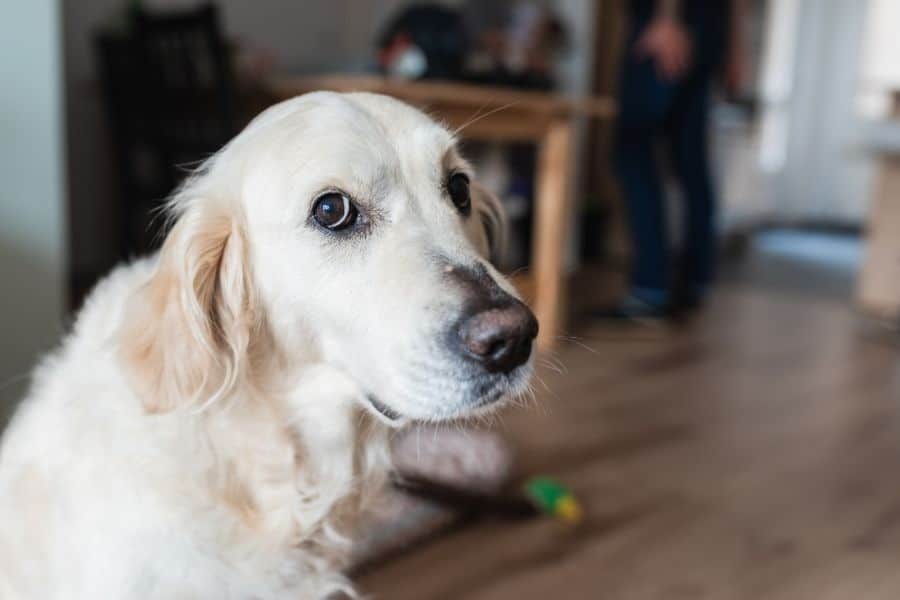
A sudden limp or refusal to bear weight on a back leg is one of the most common reasons dogs are brought in for an orthopedic exam. In many of these cases, the culprit is a torn cranial cruciate ligament, the canine version of an ACL tear. When this happens, TPLO surgery for dogs is often the most reliable path back to a normal, active life. This procedure is technically demanding and requires precise surgical planning, so understanding what it involves helps pet owners feel confident going into it. This article breaks down what the surgery is, the signs that point to it, and what recovery really looks like.
What Is TPLO Surgery and Why Does It Matter
TPLO stands for tibial plateau leveling osteotomy. In plain terms, it is a surgical procedure that changes the angle of the top of the shinbone so the knee joint becomes stable without relying on the torn ligament. Instead of repairing the ligament itself, the surgery changes the mechanics of the joint so the dog’s own muscles can support normal movement again.
Cranial cruciate ligament injuries are one of the most frequent orthopedic problems seen in dogs, affecting an estimated 1 in 100 dogs at some point in their life. Larger and more active breeds tend to be at higher risk, though any dog can tear this ligament through a bad landing, sudden twist, or gradual wear over time.
Signs Your Pet Needs TPLO Surgery
Not every limp requires surgery, but certain signs point strongly toward a ligament injury that needs a professional evaluation.
- Sudden non-weight-bearing lameness: The dog holds one back leg up entirely after activity or a misstep.
- Swelling around the knee: The joint may feel warm or look visibly larger than the opposite leg.
- Stiffness after rest: Dogs often struggle to stand or move normally after lying down for a while.
- Clicking or popping sounds: This can indicate joint instability or associated meniscus damage.
- Decreased activity level: A dog that used to run and jump freely may become reluctant to do either.
Many dogs we examine for back leg lameness turn out to have a partial ligament tear rather than a sudden full rupture, which means the limping may come and go for weeks before it becomes constant. If you notice any combination of these signs, a same-day vet visit is the safest next step so the joint can be properly evaluated before the damage progresses.
What to Expect at Coldwater Animal Hospital
Pet owners are often anxious about the idea of orthopedic surgery, so knowing the process step-by-step can ease a lot of that worry.
- Orthopedic exam and imaging: The leg is examined for joint instability, and X-rays are taken to confirm the diagnosis and rule out other causes of lameness.
- Pre-surgical bloodwork: This checks that the dog is a safe candidate for anesthesia.
- Surgical planning: Precise measurements are taken from the X-rays to determine the exact angle correction needed for that individual dog’s anatomy.
- The TPLO procedure: The surgeon cuts and rotates the top of the tibia, then stabilizes it with a bone plate and screws.
- Recovery monitoring: The dog is closely watched during anesthesia recovery before going home with pain management and activity restrictions.
In Rochester, NY, many dogs recovering from TPLO surgery also deal with limited outdoor space during icy winter months, which can make strict activity restriction easier to manage but harder to balance with mental stimulation. A structured recovery plan helps address both.
Dog ACL Tear Surgery: Correcting Common Misconceptions
A common misconception among pet owners is that a torn ligament will heal on its own with rest, or that a brace alone can fully resolve the instability. In most moderate-to-large dogs, the joint remains unstable without surgical correction, and ongoing instability accelerates arthritis in the knee. Waiting too long to address a torn ligament in dogs often leads to secondary injuries, including meniscus tears, that would not have occurred with earlier intervention.
Cold, damp weather common in the Rochester area can also make arthritic joints feel stiffer, which is why dogs who delay treatment for a ligament injury sometimes show worsening discomfort as the seasons change. Addressing the underlying instability directly, rather than managing symptoms alone, gives the joint the best long-term outcome.
Dog Knee Surgery Recovery and How to Choose the Right Vet for TPLO Surgery
Recovery from dog knee surgery typically unfolds over several months, with strict leash walks, controlled indoor movement, and a gradual return to normal activity guided by rechecks and X-rays. Physical rehabilitation exercises are often introduced partway through recovery to rebuild muscle strength safely.
When looking for the best vet for TPLO among local options, pet owners should ask about the surgeon’s experience specifically with this procedure, since TPLO requires more specialized training than many other orthopedic repairs. A clinic that offers in-house X-rays, pain management protocols, and clear post-surgical guidance makes the entire process smoother for both the dog and the family. Coldwater Animal Hospital‘s team walks owners through every stage of recovery so there are no surprises along the way.
A torn cruciate ligament is a serious injury, but it is also one of the most treatable orthopedic conditions in dogs when addressed with the right surgical approach. TPLO surgery for dogs gives many pets the chance to return to running, playing, and living without the pain of an unstable knee. Recognizing the early signs, understanding the surgical process, and committing to a full recovery plan all play a role in a successful outcome. If your dog is showing any signs of back leg lameness, don’t wait for it to get worse. Book an appointment today.
Frequently Asked Questions
Q: How do I know if my dog needs TPLO surgery instead of another treatment?
Ans: A veterinarian will assess joint stability through a physical exam and X-rays. Dogs with a fully torn ligament and significant instability are typically the best candidates for TPLO surgery, while some partial tears may initially be managed differently depending on the dog’s size and activity level.
Q: How long does recovery take after TPLO surgery?
Ans: Most dogs need eight to twelve weeks of restricted activity, with full return to normal exercise often taking a few months. Your vet will guide activity levels based on rechecks and X-rays throughout the healing process.
Q: Can a dog tear the ligament in the other knee later?
Ans: Yes. Dogs that tear one cruciate ligament have an increased risk of eventually injuring the opposite knee, particularly if they are overweight or have a breed predisposition. Maintaining a healthy weight can help reduce this risk.
Q: Is TPLO surgery safe for older dogs?
Ans: Age alone does not rule out surgery. Your veterinarian will evaluate overall health, bloodwork, and anesthesia risk to determine whether an older dog is a good surgical candidate.
Q: What happens if a torn ligament is left untreated?
Ans: Without treatment, the knee joint remains unstable, which accelerates arthritis and increases the risk of a secondary meniscus injury. Early evaluation gives the best chance of avoiding these complications.