Appointments as Early as 8 AM, Monday-Saturday!
Every year, thousands of pets go missing, and many never make it back home. Pet microchipping is one of the simplest and most effective ways to protect your dog or cat and increase the chances of a happy reunion if they get lost. In this article, we’ll explain why pet microchipping matters, how it works, and why so many veterinarians recommend it.
What Is Pet Microchipping?
Pet microchipping is a permanent form of identification for dogs and cats. A tiny chip—about the size of a grain of rice is placed just under your pet’s skin, usually between the shoulder blades.
Unlike collars and ID tags, which can fall off or break, a microchip stays with your pet for life. When shelters or veterinary clinics scan a lost pet, the chip reveals a unique ID number linked to the owner’s contact information.
Key points about microchips:
- No GPS or tracking involved
- Works only when scanned
- Designed to last your pet’s lifetime
Why Pet Microchipping Matters
Pets Can Get Lost Faster Than You Think
Even well-trained pets can slip out a door, dig under a fence, or get scared by loud noises. In busy areas, especially near parks, neighborhoods, and seasonal events, pets can quickly wander far from home.
Microchips Dramatically Improve Return Rates
Studies show that microchipped dogs are more than twice as likely to be reunited with their owners. For cats, the return rate is even higher. This makes microchipping one of the most reliable ways to protect your pet.
Collars and Tags Aren’t Always Enough
While collars and ID tags are important, they aren’t foolproof. Tags can become unreadable, and collars can slip off. Microchips act as a backup form of identification when visible IDs are missing.
How Does Pet Microchipping Work?
The Microchip Implant Process
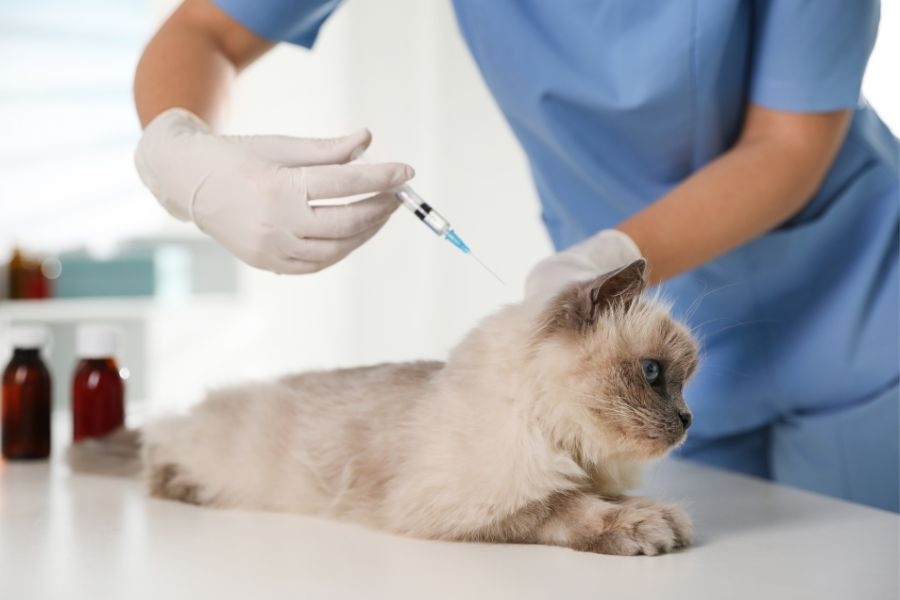
The procedure is quick and similar to a routine vaccination. A veterinarian uses a sterile needle to insert the microchip under the skin.
- No surgery required
- Usually, no anesthesia is needed
- Takes only a few seconds
Most pets tolerate the process very well, with minimal discomfort.
Scanning and Identification
When a lost pet is found:
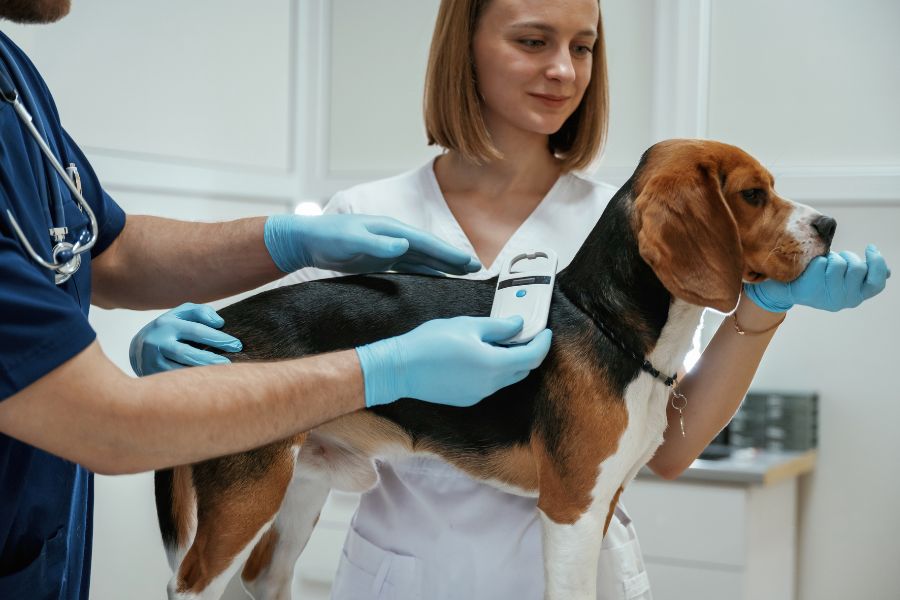
- A shelter or veterinary clinic scans the pet.
- The scanner reads the microchip’s ID number.
- The ID number is searched in a national database.
- The owner’s contact information is retrieved.
This process allows shelters and clinics to contact you quickly and safely.
Is Pet Microchipping Safe?
Yes, pet microchipping is considered very safe. Microchips are made from biocompatible materials and are designed not to cause reactions in the body.
Common concerns addressed:
- Microchips do not move around the body
- They do not require batteries
- They do not cause cancer or long-term pain
Adverse reactions are extremely rare, and the benefits far outweigh the risks.
Do Microchips Track My Pet’s Location?
This is a common misconception. Microchips do not provide real-time tracking like a GPS collar. They only work when scanned by a compatible reader.
Think of a microchip as a permanent ID card rather than a tracking device. For added peace of mind, some owners choose to combine microchipping with GPS collars.
The Importance of Registering and Updating Your Microchip
Registration Is Essential
A microchip is only useful if it’s registered with accurate contact details. After microchipping, your veterinarian will help ensure your pet’s information is entered into a database.
Keep Information Up to Date
If you move, change phone numbers, or update email addresses, it’s critical to update the microchip registry. Many lost pets are found quickly but outdated contact details can delay reunions.
Tips for staying current:
- Update info after moving homes
- Review details once a year
- Add an emergency contact if possible
When Should a Pet Be Microchipped?
Puppies and Kittens
Microchipping can be done as early as 6–8 weeks of age. Many pet owners choose to microchip during spay or neuter appointments for convenience.
Adult Pets
It’s never too late to microchip an adult dog or cat. Even indoor-only cats can benefit, as accidental escapes are common.
Common Myths About Pet Microchipping
“My Pet Never Goes Outside”
Indoor pets can still escape through open doors, windows, or during emergencies. Microchipping provides a safety net.
“Microchips Are Expensive”
Microchipping is typically a one-time, affordable procedure compared to the emotional and financial stress of losing a pet.
“Only Dogs Need Microchips”
Cats are just as likely to go missing, yet they’re less likely to wear collars. Microchipping is especially important for cats.
Benefits of Microchipping Beyond Reuniting Lost Pets
- Helps prove ownership in disputes
- Speeds up shelter identification
- Reduces time pets spend in shelters
- Provides peace of mind for pet owners
Rochester Veterinary clinics and shelters rely on microchips every day to bring pets back to their families.
Conclusion
Pet microchipping is a simple, safe, and effective way to protect your dog or cat for life. It increases the chances of reunion, supports shelters, and provides lasting peace of mind for pet owners. If you’re considering microchipping or want to check your pet’s registration details, Coldwater Animal Hospital is here to help families in Rochester keep their pets safe. Book an appointment today to learn more about microchipping your pet.
FAQs
Q1: Does pet microchipping hurt?
Ans: Most pets experience only mild discomfort, similar to a routine vaccination, and recover immediately.
Q2: How long does a pet microchip last?
Ans: A microchip is designed to last your pet’s entire lifetime without needing replacement.
Q3: Can a microchip stop working over time?
Ans: Microchips are very reliable, but it’s a good idea to have them scanned during regular vet visits.
Q4: Is microchipping required by law in New York?
Ans: It’s not required statewide, but many shelters and rescues strongly recommend or require it.
Q5: Can I update my pet’s microchip information myself?
Ans: Yes, most registries allow owners to update contact details online at any time.