Appointments as Early as 8 AM, Monday-Saturday!
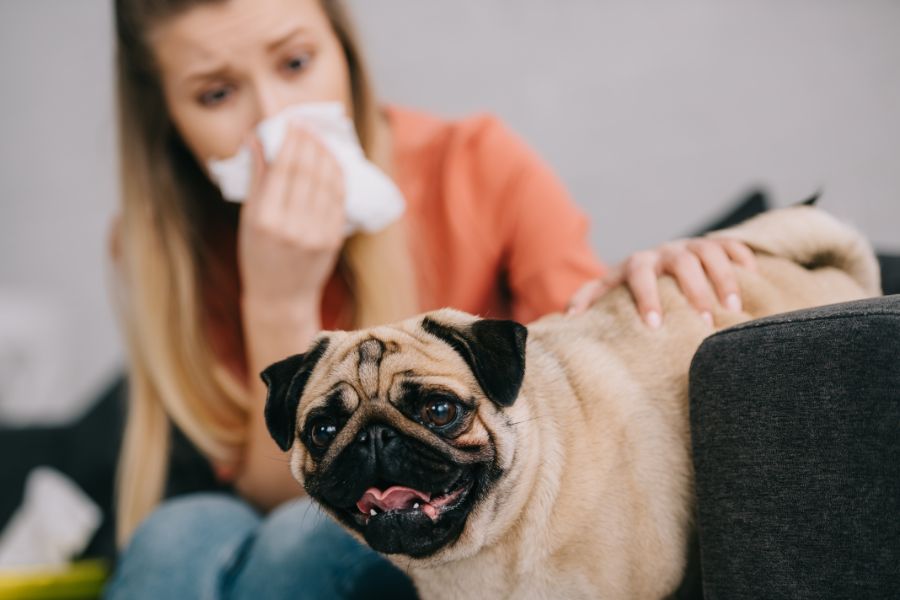
If your dog or cat’s breath smells worse than usual, it’s more than just an inconvenience; it can be a sign of an underlying health issue. Bad breath in pets, also known as halitosis, is commonly linked to dental disease but can also point to problems with digestion, diet, or internal organs. In this guide, we’ll break down the most common causes of bad breath in pets, what smells are normal or concerning, and practical solutions to keep your pet’s mouth healthy and fresh.
Is Bad Breath in Pets Normal?
Occasional mild odor can be normal, especially after meals. However, persistent bad breath is not normal for dogs or cats. A strong, foul smell often means bacteria are building up in your pet’s mouth or there’s a deeper health issue that needs attention.
Most Common Causes of Bad Breath in Pets
Dental Disease
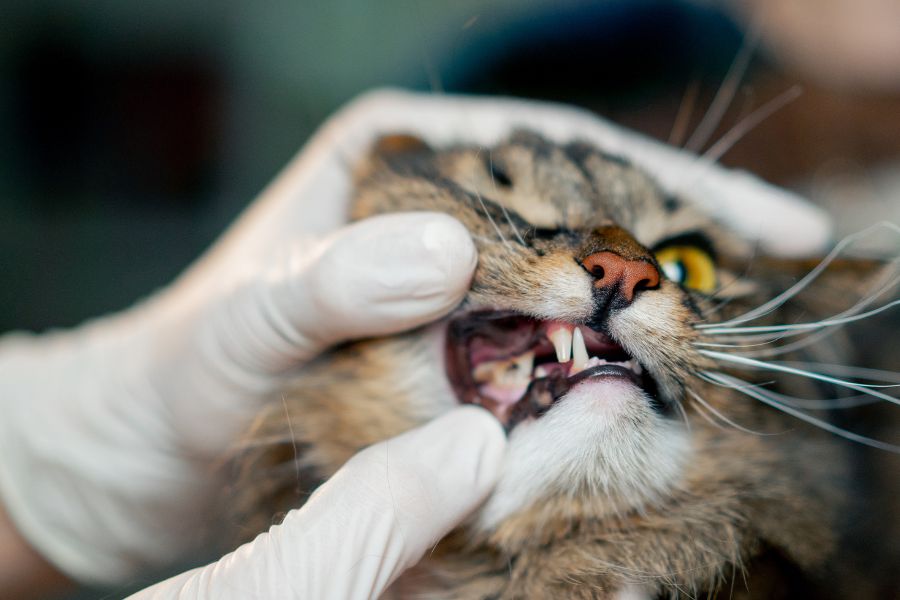
Dental disease is the leading cause of bad breath in pets. It starts with plaque and can progress to painful infections.
Signs of dental disease include:
- Yellow or brown buildup on teeth
- Red or bleeding gums
- Drooling more than usual
- Trouble chewing or dropping food
If untreated, dental disease can lead to tooth loss and allow bacteria to enter the bloodstream, affecting the heart, liver, and kidneys.
Poor Oral Hygiene
Pets don’t brush their own teeth. Without regular dental care, bacteria multiply quickly in the mouth.
Common contributors:
- No tooth brushing routine
- Skipping dental cleanings
- Chew toys that don’t actually clean teeth
Even young pets can develop bad breath if oral hygiene is neglected.
Diet and Eating Habits
What your pet eats has a big impact on their breath.
Diet-related causes include:
- Low-quality pet food
- Wet food only (sticks to teeth more)
- Eating table scraps
- Getting into trash or litter boxes
Pets that scavenge outdoors or eat wildlife may also develop sudden bad breath.
Gum Infections and Abscesses
A cracked tooth or infected gum can cause extremely foul breath, often described as rotten or metallic.
Watch for:
- Swelling around the mouth
- Pawing at the face
- One-sided chewing
These infections are painful and require prompt veterinary treatment.
Digestive Issues
Bad breath isn’t always coming from the mouth. Gastrointestinal problems can also cause unpleasant odors.
Possible digestive causes:
- Acid reflux
- Food intolerance
- Intestinal infections
If bad breath is paired with vomiting, diarrhea, or appetite changes, digestion may be the issue.
Diabetes
A sweet or fruity smell on your pet’s breath can be a warning sign of diabetes, especially in dogs.
Other symptoms include:
- Increased thirst
- Frequent urination
- Weight loss despite eating
This is a medical condition that needs immediate attention.
Kidney or Liver Disease
Pets with kidney disease may have breath that smells like ammonia or urine, while liver disease can cause a musty or rotten odor.
These conditions are more common in senior pets and often come with:
- Lethargy
- Decreased appetite
- Weight loss
What Different Breath Smells Can Mean
Understanding the odor can help identify the issue:
- Rotten smell: Dental disease or infection
- Fishy smell: Gum disease or oral bacteria
- Sweet/fruity: Diabetes
- Ammonia-like: Kidney disease
- Sour smell: Digestive issues
Any strong or unusual odor that lasts more than a few days should be checked by a veterinarian.
How to Fix and Prevent Bad Breath in Pets
Schedule Regular Dental Exams
Pet dental exams help catch problems early. Annual dental checkups are recommended, especially for small breeds and senior pets.
Pets often benefit from fall or winter dental evaluations, when owners are more likely to notice indoor behavior changes linked to mouth pain.
Brush Your Pet’s Teeth
Brushing is the gold standard for preventing bad breath.
Tips for success:
- Use pet-safe toothpaste only
- Start slowly with finger brushes
- Aim for brushing 3–4 times per week
Provide Dental Chews and Toys
Not all chews are equal. Look for products designed to reduce plaque and tartar.
Helpful options:
- Vet-approved dental chews
- Rubber chew toys with texture
- Dental water additives
Avoid overly hard bones that can crack teeth.
Improve Your Pet’s Diet
High-quality food supports better oral and overall health.
Consider:
- Crunchy kibble mixed with wet food
- Dental-specific diets
- Limiting table scraps
Always transition food slowly to avoid stomach upset.
Professional Dental Cleaning
When plaque hardens into tartar, brushing alone won’t help. A veterinary dental cleaning under anesthesia is often the only solution.
This allows the vet to:
- Clean below the gumline
- Take dental X-rays
- Treat hidden infections
Address Underlying Health Conditions
If dental care doesn’t resolve bad breath, further diagnostics may be needed to check for diabetes, kidney disease, or digestive issues. Early diagnosis can significantly improve outcomes and quality of life.
When Should You Worry About Your Pet’s Bad Breath?
Contact a veterinarian if your pet’s bad breath is:
- Sudden and severe
- Paired with behavior changes
- Accompanied by bleeding gums or loose teeth
- Combined with weight loss or lethargy
Bad breath is often the first visible sign of a larger health issue.
Conclusion
Bad breath in pets is not something to ignore. While dental disease is the most common cause, it can also signal serious internal health problems. With regular dental care, proper diet, and routine veterinary checkups, most cases of pet halitosis are preventable and treatable.
If your pet has persistent bad breath, veterinarians at Coldwater Animal Hospital can help identify the cause and create a personalized care plan. Contact us today to keep your pet healthy from nose to tail.
FAQs
Q1: Why does my dog’s breath smell so bad all of a sudden?
Ans: Sudden bad breath can be caused by dental infection, eating something unusual, or an underlying illness, and should be checked by a veterinarian.
Q2: Can bad breath in cats be serious?
Ans: Yes, bad breath in cats often indicates dental disease or kidney problems, especially in older cats.
Q3: How often should I brush my pet’s teeth?
Ans: Ideally, brush your pet’s teeth 3–4 times per week to prevent plaque buildup and bad breath.
Q4: Do dental chews really help with bad breath?
Ans: Yes, quality dental chews can reduce plaque and improve breath when used consistently alongside brushing.
Q5: When should I take my pet to the vet for bad breath?
Ans: If bad breath lasts more than a few days or is paired with other symptoms, a vet visit is recommended.