Appointments as Early as 8 AM, Monday-Saturday!
Heartworm prevention for dogs is one of the most important steps you can take to protect your pet’s long-term health. These dangerous parasites can silently damage your dog’s heart and lungs, often without early symptoms. In this guide, we’ll explain why year-round heartworm prevention is essential, how heartworm medicine for dogs works, and what pet owners need to know to keep their dogs safe all year long.
What Is Heartworm Disease in Dogs?
Heartworm disease is a serious and potentially life-threatening condition caused by parasitic worms that live in a dog’s heart, lungs, and blood vessels. Dogs become infected through mosquito bites, making this disease especially common during warmer months—but not limited to them.
Once inside the body, heartworm larvae grow into adult worms, which can reach up to 12 inches long. Over time, they cause damage to vital organs and can lead to heart failure if left untreated.
Common Symptoms Include:
- Persistent cough
- Fatigue after mild activity
- Weight loss
- Difficulty breathing
- Swollen abdomen
The problem? Many dogs show no signs until the disease is advanced.
Why Year-Round Heartworm Prevention Is Essential
Many pet owners assume heartworms are only a summer issue. However, mosquitoes can survive indoors and during milder winters.
Key Reasons to Protect Your Dog All Year:
- Unpredictable Weather: Warmer winter days allow mosquitoes to remain active.
- Indoor Exposure: Mosquitoes can enter homes easily.
- Continuous Risk: Missing even one dose of heartworm medicine for dogs can leave your pet vulnerable.
- Prevention Is Easier Than Treatment: Treating heartworm disease is expensive, risky, and stressful for your dog.
Year-round heartworm prevention ensures there are no gaps in protection, keeping your dog safe regardless of the season.
How Heartworm Prevention for Dogs Works
Heartworm prevention medications don’t actually kill adult worms they eliminate immature larvae before they can grow and cause damage. That’s why consistency is critical.
Types of Heartworm Medicine for Dogs:
- Monthly Oral Tablets: Easy to administer and commonly prescribed.
- Topical Treatments: Applied to the skin, often combined with flea and tick protection.
- Injectable Preventives: Long-lasting options administered by a veterinarian.
Each option is effective when used correctly, so your veterinarian will recommend the best one based on your dog’s age, size, and lifestyle.
Heartworm Prevention for Puppies: When to Start
Protecting your dog should begin early. Puppies are just as vulnerable to heartworm disease as adult dogs.
Guidelines for Puppies:
- Start heartworm prevention for puppies as early as 6–8 weeks of age
- Follow a consistent monthly schedule
- Schedule routine vet visits for monitoring
Early preventive care for dogs builds a strong foundation for lifelong health and reduces the risk of infection later on.
The Risks of Skipping Heartworm Prevention
Skipping doses or stopping preventive care, even temporarily, can have serious consequences.
What Can Happen Without Protection:
- Infection can occur without visible symptoms
- Treatment requires multiple vet visits and strict activity restriction
- Severe cases may cause permanent heart and lung damage
- Treatment can be costly and physically taxing for your dog
Heartworm disease is entirely preventable, making consistent care the safest and most cost-effective choice.
Heartworm Testing: Why It Matters
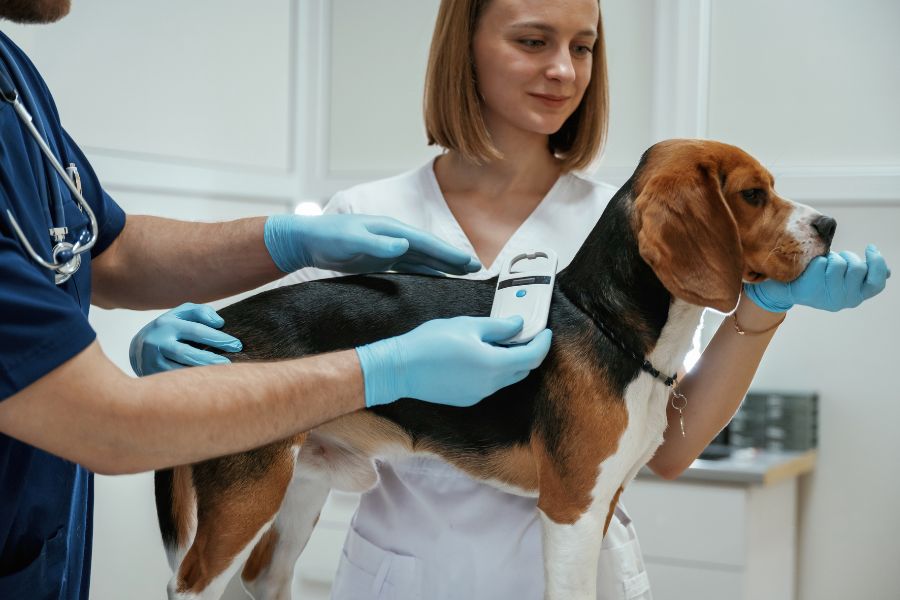
Even if your dog is on preventive medication, annual testing is still necessary. This ensures the medication is working and that your dog hasn’t been exposed during a missed dose.
Testing Recommendations:
- Test dogs annually for heartworm disease
- Test before starting or restarting medication
- Follow your vet’s guidance for ongoing monitoring
Routine testing is a critical part of preventive care for dogs and helps catch infections early.
Heartworm Risk in your area
During cold winters, heartworm cases still occur due to seasonal changes and indoor mosquito exposure. Pet owners often underestimate the risk during fall and winter months.
Local veterinarians in Rochester frequently recommend year-round heartworm prevention to account for these environmental factors. Staying consistent with medication is especially important in regions with unpredictable weather patterns.
At Coldwater Animal Hospital, we work closely with dog owners in Rochester to create customized prevention plans that fit each dog’s needs and lifestyle.
Tips to Prevent Heartworm in Dogs
Keeping your dog safe doesn’t have to be complicated. A few simple habits can make all the difference.
Best Practices for Prevention:
- Give heartworm medicine for dogs on time every month
- Set reminders so you never miss a dose
- Schedule yearly vet checkups and testing
- Reduce mosquito exposure (use screens, avoid standing water)
- Follow your vet’s recommended preventive care plan
Consistency is the key to effective heartworm prevention for dogs.
Signs You Should Contact Your Vet Immediately
If your dog shows any unusual symptoms, it’s important to act quickly.
Watch for:
- Chronic coughing
- Lethargy or weakness
- Trouble breathing
- Decreased appetite
Early intervention can significantly improve outcomes.
Conclusion:
Heartworm disease is dangerous, but it’s also completely preventable with the right approach. Year-round heartworm prevention for dogs ensures your pet stays protected from hidden risks, regardless of the season. By staying consistent with medication, scheduling regular testing, and working closely with your veterinarian, you can safeguard your dog’s heart and overall health.
If you’re unsure about your dog’s current protection plan, now is the perfect time to act. Contact Coldwater Animal Hospital today to schedule a heartworm test or discuss the best prevention options for your furry companion.
FAQs
Q1: Do dogs really need heartworm prevention all year round?
Ans: Yes, year-round heartworm prevention is recommended because mosquitoes can survive indoors and during mild weather, putting dogs at risk even in colder months.
Q2: What is the best heartworm medicine for dogs?
Ans: The best option depends on your dog’s needs—oral, topical, and injectable preventives are all effective when used consistently.
Q3: Can puppies get heartworm disease?
Ans: Yes, which is why heartworm prevention for puppies should start as early as 6–8 weeks of age under veterinary guidance.
Q4: What happens if I miss a dose of heartworm prevention?
Ans: Missing a dose can leave your dog unprotected. Contact your vet immediately for guidance and possible testing.
Q5: How often should dogs be tested for heartworm?
Ans: Dogs should be tested annually, even if they are on regular preventive medication, to ensure they remain heartworm-free.