Appointments as Early as 8 AM, Monday-Saturday!
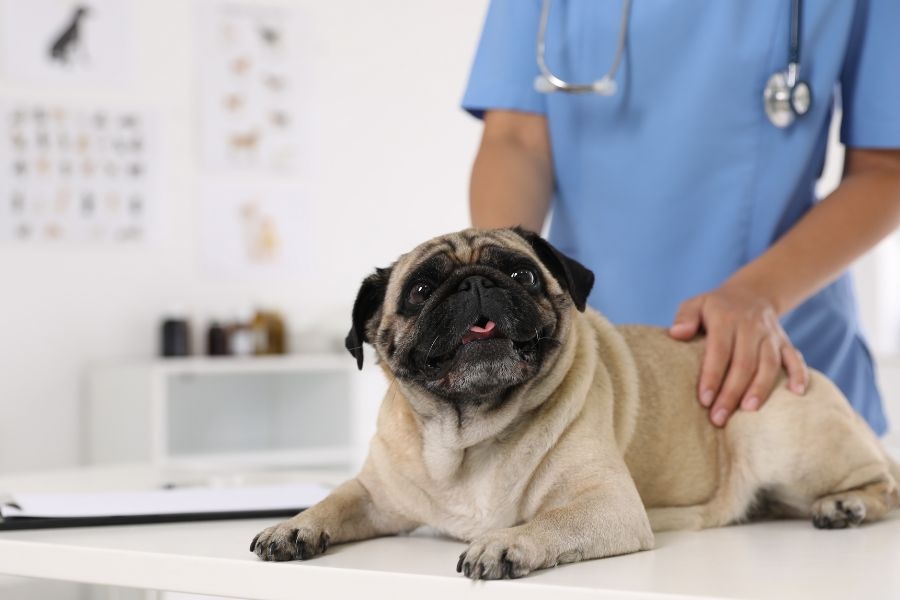
Most pet owners love their animals deeply, but many are unsure how often a pet wellness vet visit is actually needed. It is one of the most common questions we hear from new and longtime clients alike. The honest answer is: it depends on your pet’s age, species, and health history. But there is a clear framework that makes it easy to follow. This guide breaks down a complete wellness schedule so you always know when to bring your pet in. Whether you have a brand-new puppy, a healthy adult cat, or a silver-muzzled senior dog, staying ahead of health problems is always easier than treating them later. Preventive care saves lives. It also saves money in the long run. We want every pet in our community to live the longest, healthiest life possible.
Understanding Why Regular Vet Visits Matter
How often your pet needs a checkup depends on more than convenience. It depends on biology. Pets age much faster than humans. A single year in a dog’s life can equal five to seven human years. That means health conditions can develop and progress quickly between visits.
An annual vet checkup for pets allows your veterinarian to catch early warning signs before they become serious problems. Conditions like dental disease, kidney issues, thyroid imbalances, and early cancer are all far more treatable when found early. Studies suggest that pets seen regularly for preventive care live measurably longer than those seen only when sick.
In our experience, many pet owners do not realize their animal is unwell until symptoms are obvious. By that point, the condition is often advanced. Routine exams are how we find what you cannot see at home. Blood panels, weight tracking, and physical exams give us a baseline to measure changes over time.
The American Veterinary Medical Association (AVMA) recommends at least one wellness exam per year for healthy adult pets, with more frequent visits for young, elderly, or medically complex animals. This is a minimum standard, not a ceiling.
Puppy and Kitten Vet Schedule: The First Year
The first year of a pet’s life is the most visit-intensive period. Young animals need a series of vaccines, parasite prevention, and developmental checkups as they grow. Missing visits during this window can leave them vulnerable to serious, preventable diseases.
A standard puppy-kitten visit schedule typically looks like this:
- First visit at 6 to 8 weeks of age for initial exam and first vaccinations
- Follow-up visits every 3 to 4 weeks until 16 weeks of age
- Spay or neuter consultation between 4 and 6 months
- Rabies vaccine at the appropriate age per state law
- Fecal exam and deworming as needed throughout the series
Kittens follow a similar timeline, with core vaccines including feline distemper and feline leukemia recommended for all young cats. Pet owners often tell us they are surprised by how quickly these early months go. Scheduling ahead helps you stay on track.
We frequently remind our clients that the first-year schedule is not optional. It is the foundation of a healthy life. Skipping vaccines or delaying visits during puppyhood or kittenhood can have long-term consequences.
How Often Should You Visit the Vet? A Yearly Schedule for Adult Pets
Once your pet reaches adulthood, typically around 1 to 2 years of age, the pace of visits slows down. Healthy adult dogs and cats generally need one wellness exam per year. But that annual appointment is packed with value.
During a yearly visit, your veterinarian will perform a nose-to-tail physical examination, update any vaccines that are due, and discuss heartworm, flea, and tick prevention. An annual vet checkup for pets also gives you a chance to ask questions about behavior, nutrition, and weight.
Many pet owners assume that if their pet seems healthy, a checkup is unnecessary. This is one of the most common misconceptions we see. Animals instinctively hide pain and discomfort. A pet can appear perfectly normal at home while dealing with early dental disease, a heart murmur, or a developing mass that only a pet diagnostic exam can detect.
In New York, heartworm and tick-borne diseases like Lyme are genuine year-round concerns. Your vet will factor in regional risks when recommending preventive care.
Senior Pet Health Visits: When Once a Year Is Not Enough
Older pets need more frequent attention. Most veterinarians recommend moving to twice-yearly visits once your dog or cat reaches senior status, which is generally around age 7 for most breeds. Large and giant breed dogs may be considered senior even earlier.
Senior pet health visits go beyond a basic physical exam. They typically include bloodwork, urinalysis, blood pressure measurement, and joint assessments. These tools help your vet spot kidney disease, diabetes, arthritis, hyperthyroidism in cats, and cognitive decline before symptoms become severe.
Many dogs we see at their first senior wellness visit have conditions that have been quietly developing for months. The owners had no idea because the dog was still eating and playing normally. Early detection at this stage is what makes the difference between managing a condition well and facing a crisis.
The AVMA and AAHA both support twice-annual exams for senior pets as a standard of care, not a luxury. If your pet is on any long-term medications, more frequent visits or lab monitoring may also be needed.
Pet preventive care tips for senior pets include keeping a log of changes in drinking, urination, appetite, and mobility between visits. Share this with your vet at every appointment. It is one of the most useful things you can do.
Pet Preventive Care Tips to Make Every Visit Count
Regular vet visits are only part of the picture. What you do between appointments matters just as much. These habits help you get the most out of every wellness visit.
- Track your pet’s weight at home and note any sudden changes
- Brush your dog’s or cat’s teeth several times per week to slow dental disease
- Keep a record of any unusual symptoms, even if they seem minor
- Stay current on year-round parasite prevention as recommended by your vet
- Do not skip the annual bloodwork, even for young, healthy pets
One misconception we often correct is that indoor cats do not need regular vet care. Indoor cats still develop dental disease, obesity, kidney problems, and hyperthyroidism at the same rates as outdoor cats. They simply hide their symptoms better. Annual exams are just as important for them.
Meet Dr. Katherine Psutka
At Coldwater Animal Hospital, your pet’s wellness visits are in expert hands. Dr. Katherine Psutka earned her veterinary degree from St. George’s University School of Veterinary Medicine and completed a small animal medicine and surgery internship at the University of Illinois. Her professional interests include soft tissue surgery and dentistry, two areas that directly impact long-term quality of life for pets at every life stage. Before joining our Rochester practice in 2016, Dr. Psutka gained valuable experience in emergency medicine in Dallas and Denver, giving her a well-rounded perspective on both urgent and preventive care. Outside the clinic, she is an avid hiker, home cook, and agility competitor with her Nova Scotia Duck Tolling Retriever, and a proud companion to three cats named Sheldon, Penny, and Jango Katt.
Conclusion
Knowing when to schedule a pet wellness vet visit is one of the simplest and most powerful things you can do for your animal. Puppies and kittens need monthly visits in their first year. Healthy adults need one exam per year. Senior pets need two. And every pet benefits from a caring veterinarian who knows its history. The vet team at Coldwater Animal Hospital is here to help you build a wellness routine that fits your pet’s unique needs. Do not wait for something to go wrong. Proactive care is the kindest gift you can give your companion. Book an appointment today.
Frequently Asked Questions
How often should a healthy adult dog or cat visit the vet?
Ans: Healthy adult dogs and cats should visit the vet at least once per year for a wellness exam, vaccinations, and parasite prevention. More frequent visits may be recommended based on your pet’s individual health needs and risk factors.
At what age is a pet considered senior?
Ans: Most dogs and cats are considered senior around age 7. Large and giant breed dogs may reach senior status earlier, around age 5 or 6. Your veterinarian can tell you when your specific pet should transition to a senior wellness schedule.
Does my indoor cat still need annual vet visits?
Ans: Yes. Indoor cats develop many of the same health conditions as outdoor cats, including dental disease, obesity, kidney problems, and hyperthyroidism. Annual exams are just as important for indoor cats because they tend to hide illness well.
What happens at a routine pet wellness exam?
Ans: A wellness exam typically includes a full nose-to-tail physical examination, vaccine updates, parasite prevention recommendations, weight assessment, and a discussion of nutrition and behavior. Blood panels and urinalysis may also be recommended depending on your pet’s age and history.
How many vet visits does a puppy or kitten need in the first year?
Ans: Puppies and kittens typically need four to five vet visits in their first year, starting at 6 to 8 weeks of age. Visits are spaced every 3 to 4 weeks through 16 weeks to complete the vaccine series and monitor healthy development.