Appointments as Early as 8 AM, Monday-Saturday!
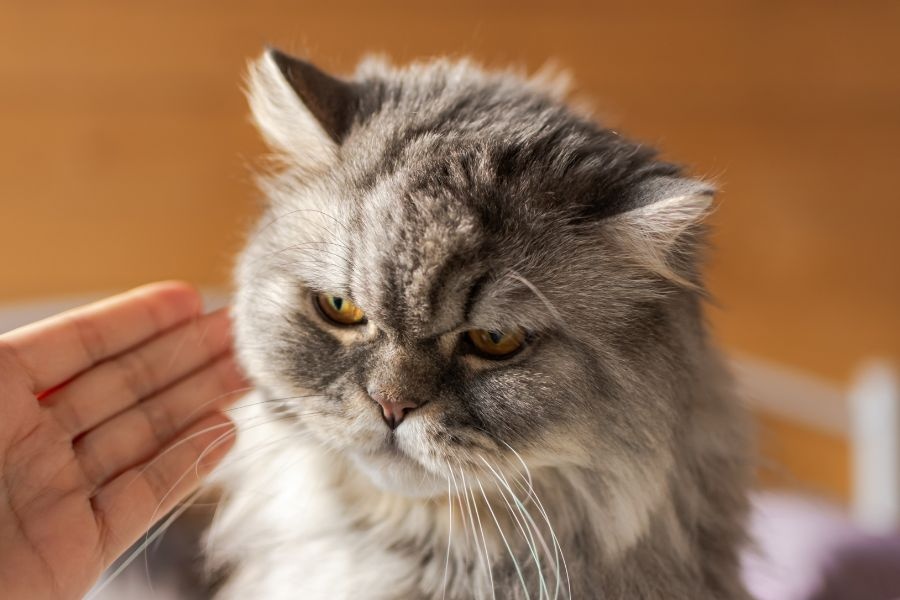
Your calm, cuddly cat just hissed, swatted, or bit you out of nowhere. It’s alarming, confusing, and honestly a little painful. Sudden cat aggression is one of the most common concerns we hear from cat owners, and it almost always signals that something has changed. It could be pain, stress, fear, or an underlying medical condition. What it rarely is, is random. Cats don’t act out without a reason. The key is figuring out what that reason is before the behavior gets worse. In this article, we’ll walk you through the most common causes of sudden aggression in cats, the warning signs that should send you straight to a veterinarian, and the steps you can take at home to help your cat feel safe again. Understanding your cat’s behavior is the first step toward getting them the help they need.
Understanding Why Cats Become Aggressive
Aggression in cats is not a personality flaw. It is a form of communication. When a cat bites, swats, growls, or puffs up, they are telling you something is wrong. Sudden cat aggression, especially in a cat that has never shown these behaviors before, is a red flag that deserves attention.
Cats are masters at hiding discomfort. By the time aggression appears, the underlying cause may have been building for days or weeks. In our experience, many pet owners are surprised to learn their cat’s sudden biting or hissing is actually a pain response, not a behavior problem.
Studies suggest that feline aggression accounts for a significant portion of behavioral complaints in cat-owning households, making it one of the top reasons cats are surrendered to shelters. Catching the cause early keeps both your cat and your family safe.
Common Behavioral Causes of Sudden Aggression
Cat behavior changes suddenly for a wide range of reasons, and not all of them are medical. Some are rooted in environment, routine, or social dynamics. Here are the most common behavioral triggers:
- Redirected aggression: Your cat sees something outside, like a stray cat or a squirrel, gets highly aroused, and then redirects that frustration onto the nearest person or pet. This is one of the most misunderstood forms of feline aggression.
- Play aggression: Common in young cats and kittens who were not taught boundaries. They treat hands and feet as prey objects, which can lead to biting and scratching during play.
- Territorial aggression: A new pet, person, or baby in the home can trigger defensive behavior in cats who feel their space is being invaded.
- Petting-induced aggression: Some cats have a low tolerance for physical contact. They may be fine at first, then suddenly bite or scratch when overstimulated.
- Fear aggression: A loud noise, an unfamiliar visitor, or a recent trauma can cause a previously gentle cat to react defensively.
Pet owners often tell us they had no idea their cat was becoming overwhelmed until the scratch or bite happened. Learning to read your cat’s body language before aggression escalates is a skill that takes time but makes a real difference.
Why Is My Cat Suddenly Aggressive? Medical Reasons to Rule Out First
Sudden aggression with no clear environmental trigger is often a medical issue until proven otherwise. Signs of pain in cats are frequently subtle, and aggression is one of the most common ways pain shows up behaviorally.
Conditions that commonly cause sudden aggression in cats include:
- Dental disease or oral pain: A cat with a cracked tooth or gum infection will often flinch or bite when touched near the face or head.
- Arthritis: Older cats with joint pain may become aggressive when picked up or touched in painful areas.
- Hyperthyroidism: An overactive thyroid can cause irritability, restlessness, and aggression, especially in cats over eight years old.
- Neurological conditions: Brain tumors, seizures, or cognitive dysfunction in senior cats can cause sudden behavioral changes.
- Infections or illness: Any systemic illness, from a urinary tract infection to a viral disease, can cause a cat to feel miserable and act out.
Signs of pain in cats are easy to miss. Cats instinctively hide vulnerability. If your cat is suddenly snapping at you for no visible reason, a full physical exam is the right first step.
The Role of Cat Anxiety and Stress
Cat anxiety and stress are significant but often overlooked drivers of aggressive behavior. Cats are creatures of habit. Even small changes in their environment can trigger a stress response that shows up as hissing, biting, or hiding followed by striking out.
Common stress triggers in cats include moving to a new home, changes in the owner’s schedule, construction noise, new furniture, a new litter box location, or even a change in cat food. In New York, we see seasonal stressors too, like the noise of thunderstorms in summer or holiday gatherings disrupting a cat’s routine.
Cat anxiety and stress can also be cumulative. One change alone might not cause aggression, but several changes happening close together can push a sensitive cat past their threshold. We frequently remind our clients that environmental stability is one of the strongest tools for managing feline behavior.
The American Veterinary Medical Association (AVMA) recommends addressing environmental stressors before turning to medication, as many cats respond well to simple changes like added vertical space, hiding spots, and consistent daily routines.
When to See a Vet for Cat Aggression
When to see a vet for cat aggression is a question we get asked often, and our answer is straightforward: sooner than you think. If your cat’s aggression appeared suddenly, skip the wait-and-see approach.
You should contact a veterinarian promptly if:
- The aggressive behavior started with no clear environmental trigger.
- Your cat is growling, hissing, or biting when touched in a specific area of the body.
- Your cat is showing other signs of illness such as changes in appetite, weight loss, or litter box avoidance.
- The aggression is escalating or happening more frequently.
- Your cat is a senior pet who has shown personality changes.
- A family member, especially a child, has been bitten or scratched.
When to see a vet for cat aggression becomes urgent when bites break the skin. Cat bites carry a high risk of infection due to bacteria found in feline mouths. Do not delay medical care for yourself or your cat.
At Coldwater Animal Hospital, our vet team in Rochester evaluates the full picture. We look at your cat’s physical health, environment, and behavioral history to identify the cause and build a plan that actually helps.
Prevention and Home Care Tips
There are real steps you can take at home to reduce your cat’s stress and minimize the risk of future aggression.
- Provide hiding spots and vertical spaces like cat trees or shelves so your cat always has somewhere to retreat.
- Avoid physically punishing your cat. It increases fear and worsens aggression.
- Use slow introductions when bringing a new pet or person into the home.
- Keep your cat’s daily schedule as consistent as possible, including feeding times and play sessions.
- Use a toy, not your hands, during play to avoid reinforcing prey-driven biting behavior.
One common misconception we correct regularly is this: many cat owners believe that a cat who bites during petting “just doesn’t like affection.” In reality, petting-induced aggression often means the cat has a low stimulation threshold and needs shorter, less intense interactions, not isolation. With the right approach, most cats become more comfortable over time.
If home adjustments are not enough, your veterinarian at Rochester can discuss options, including behavioral counseling, environmental enrichment strategies, or medication if anxiety is severe.
Conclusion
Sudden cat aggression is never something to brush off or accept as “just how your cat is now.” It is a signal that something has changed, whether that is physical pain, a medical condition, environmental stress, or a behavioral trigger that has crossed a threshold. Sudden cat aggression is one of the most treatable behavioral concerns we see, especially when addressed early. Do not wait until the behavior becomes dangerous or your cat’s quality of life suffers. Schedule a visit, get a full exam, and start working toward answers. Your cat is telling you something. We are here to help you figure out what. Book an appointment today.
Frequently Asked Questions
Why did my cat become aggressive out of nowhere?
Ans: Sudden aggression in cats is rarely truly random. The most common causes include pain, an underlying medical condition, fear, redirected arousal, or a change in the home environment. A veterinary exam is the best way to identify the cause quickly.
Can pain make a cat aggressive?
Ans: Yes. Pain is one of the most common medical reasons for sudden aggression in cats. Conditions like dental disease, arthritis, infections, and hyperthyroidism can all cause a normally gentle cat to hiss, bite, or swat when touched or approached.
Is sudden aggression in cats a sign of rabies?
Ans: Rabies can cause sudden behavioral changes, including aggression, but it is rare in vaccinated indoor cats. If your cat has had recent contact with wildlife or is unvaccinated and showing sudden behavior changes, contact your veterinarian immediately.
How do I calm an aggressive cat at home?
Ans: Give your cat space and do not try to hold or comfort them during an aggressive episode. Remove the trigger if possible, lower noise levels, and let your cat calm down on their own. Once they are calm, assess whether a vet visit is needed. Never punish an aggressive cat.
At what age do cats become more aggressive?
Ans: Aggression can appear at any age, but adolescent cats between six months and two years often show increased territorial or play aggression. Senior cats over eight years old are more likely to develop aggression linked to medical conditions like hyperthyroidism or cognitive decline.