Appointments as Early as 8 AM, Monday-Saturday!
Is your dog suddenly limping after a run in the yard? Are they hesitating on stairs or struggling to rise from rest? In Rochester, we see these concerns regularly at our practice, and they are often early signs that a pet needs TPLO surgery. A torn cranial cruciate ligament (CCL) is one of the most common orthopedic injuries in dogs. It is the canine equivalent of a human ACL tear. Without proper diagnosis and treatment, this injury leads to chronic pain, joint instability, and accelerated arthritis. The good news is that Tibial Plateau Leveling Osteotomy (TPLO) surgery has transformed outcomes for dogs with this condition. Understanding the warning signs early gives your pet the best chance at a full, active recovery.
What Is TPLO Surgery and Why Does It Matter
TPLO surgery is an orthopedic procedure designed to stabilize a dog’s knee joint after a CCL rupture. The surgeon reshapes the tibial plateau so the joint functions without relying on the damaged ligament. The result is a stable, pain-free knee that holds up under normal activity.
CCL injuries are extremely common in dogs. Studies suggest that cruciate ligament disease affects roughly 2.5 million dogs in the United States each year. Larger breeds are especially vulnerable, but dogs of any size and age can suffer this injury.
TPLO has become the gold standard for treating CCL tears in dogs. Recovery rates are high, and most dogs return to full activity within four to six months. For active dogs, it is often the most reliable long-term solution.
Signs Your Dog May Have a CCL Injury
Recognizing the signs early makes a significant difference in outcomes. Pet owners often tell us they assumed their dog had a simple sprain, only to discover a complete ligament rupture on imaging. Here are the most common warning signs to watch for:
- Sudden lameness in a hind leg: Your dog may hold one back leg up entirely after playing or jumping.
- Stiffness after rest: Dog limping after rest, especially in the morning or after a nap, is a classic early signal.
- Swelling around the knee: The joint may appear puffy or feel warm compared to the other leg.
- Sitting with the leg kicked out to the side: This posture protects a painful knee and is often overlooked.
- Decreased activity or reluctance to exercise: A once-energetic dog suddenly avoids running or jumping.
If your dog shows any of these signs, do not wait to see if they improve on their own. Delaying evaluation often allows the injury to worsen, and untreated CCL tears almost always develop into painful arthritis.
What to Expect From a TPLO Consultation
When you bring your dog in for a lameness evaluation, our team follows a thorough, step-by-step process to reach an accurate diagnosis. Here is what typically happens:
- Physical exam: The veterinarian performs a hands-on assessment of your dog’s gait, joint stability, and range of motion.
- Cranial drawer test: This specific exam maneuver checks for abnormal forward movement in the knee, which indicates CCL instability.
- Diagnostic imaging: Radiographs (X-rays) are taken to evaluate the joint and rule out other conditions.
- Specialist referral: If a CCL tear is confirmed, we will connect you with an orthopedic vet specialist that dog owners in Rochester trust.
- Surgical planning: Your orthopedic surgeon will walk you through the TPLO procedure, anesthesia plan, and recovery timeline in plain language.
We know that surgical recommendations can feel overwhelming. At Coldwater Animal Hospital, our goal is to make sure you feel informed and confident every step of the way.
Meet Dr. Klovstad: Rochester’s Trusted TPLO and Orthopedic Surgeon
When it comes to canine orthopedic surgery, experience matters more than almost any other factor. At Coldwater Animal Hospital, TPLO procedures in Rochester are performed by Dr. James Klovstad, a veterinarian with deep, focused training in surgical orthopedics.
Dr. Klovstad earned his veterinary degree from St. George’s University in 2012, then completed five additional years of advanced surgical training across multiple institutions, including a research and teaching fellowship in surgery at the University of Missouri. Training at several leading programs gave him exposure to a wide range of advanced techniques and complex orthopedic cases that most general practitioners never encounter.
Today, Dr. Klovstad brings over 14 years of dedicated TPLO and orthopedic surgical experience to every patient. His expertise covers:
- TPLO surgery for CCL ruptures, the procedure he performs most frequently and the gold standard for stabilizing a torn cruciate ligament in the canine stifle (knee).
- Fracture repair, including bone plate placement for traumatic injuries.
- Corrective osteotomies for angular limb deformities, a specialized procedure that realigns improperly developed bones in growing or adult dogs.
Just as important as his technical skill is the way Dr. Klovstad works with pet families. He is known for explaining diagnostic imaging, surgical options, and recovery plans in plain, understandable language so that owners feel confident before, during, and after the procedure. As Lucy’s family shares below, that down-to-earth communication style is one of the things they appreciated most throughout her two successful TPLOs.
If you are looking for an orthopedic vet for dogs in Rochester with the case volume, training, and bedside manner to guide your family through TPLO surgery, Dr. Klovstad and the Coldwater team are ready to help.
What a Real Recovery Looks Like: Lucy’s TPLO Story
Sometimes, the most reassuring thing you can hear is another pet owner’s experience. Nick and Korey Cianfrocco brought their dog, Lucy, to our practice after noticing she would limp following play or rest. Like many dog owners, they initially hoped it would resolve on its own. It did not.
Lucy went on to have two successful TPLO procedures with Dr. Klovstad. Here is what her family shared:
“We are incredibly happy with both of Lucy’s TPLO procedures. She has returned to her old self, with no limping or lameness whatsoever. It truly feels like a miracle to see her jumping, running, and playing again.”
“While the first 2-3 weeks of the first recovery were stressful, the process got easier, and we were very pleased with her rehab at ROC Pet Rehab. The Coldwater staff has always been professional and caring, and we especially appreciate Dr. Klovstad’s down-to-earth manner when explaining the imaging and recovery process.”
– Nick & Korey Cianfrocco, Lucy’s Owners
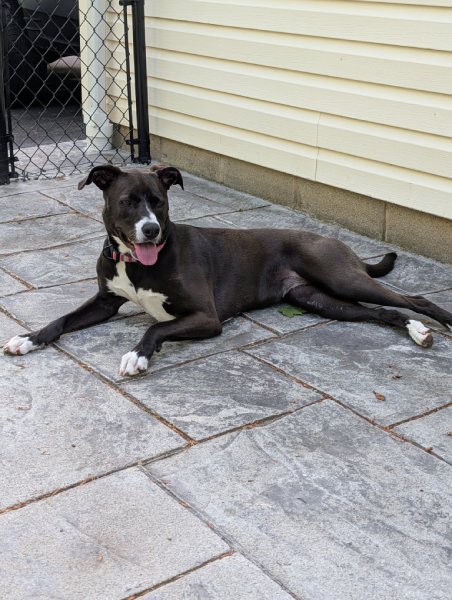
Lucy’s story reflects what we see again and again. Canine knee surgery recovery can feel daunting at first, but with the right surgical team and rehabilitation support, most dogs get back to the life they love. Lucy’s owners also recommend pet insurance and Facebook TPLO support groups as valuable resources throughout the process.
When Should You See an Orthopedic Specialist?
Not every veterinarian performs TPLO surgery in Rochester, and the skill level of your surgeon matters significantly. A torn CCL in dogs requires precise surgical technique, proper post-operative planning, and orthopedic follow-up. When you suspect your dog has a knee injury, you should request a referral to an orthopedic specialist as soon as possible.
You should not wait if:
- Your dog has been limping for more than a few days
- The limping stops and then returns after the activity
- You notice a drawer sign when the knee is physically examined, meaning the lower leg slides forward abnormally
- Your dog is completely non-weight-bearing on a back leg
- Your dog is a large or active breed, with any sudden change in mobility
Finding a qualified orthopedic vet for dogs in your area means looking for a surgeon with dedicated experience in TPLO procedures, access to proper imaging equipment, and a clear post-operative care plan. Ask about case volume, rehabilitation partnerships, and whether the clinic handles follow-up imaging in-house.
Conclusion
Watching your dog struggle to walk is difficult. But knowing the signs a pet needs TPLO surgery, and acting quickly on them, makes all the difference. CCL injuries do not improve without intervention. The earlier your dog is evaluated, the better the chances of a full return to normal activity. Whether your dog is showing subtle stiffness or sudden lameness, trust your instincts and schedule an exam. Coldwater Animal Hospital proudly serves pet families in Rochester, Buffalo, Syracuse, and surrounding communities. Our vet team is here to guide you through every stage, from initial evaluation to a referral to an orthopedic vet specialist and beyond. Your dog deserves to run, jump, and play again. Call 585-247-7200 today.
Frequently Asked Questions
How do I know if my dog needs TPLO surgery or a different knee procedure?
Ans: The right procedure depends on your dog’s size, age, and the severity of the CCL injury. TPLO is generally recommended for medium to large breed dogs because it provides the most durable long-term stability. A board-certified orthopedic surgeon will evaluate your dog’s imaging and physical exam findings to recommend the best option. Other procedures exist, but TPLO is the most widely used and has strong long-term outcomes.
Is TPLO surgery safe for older dogs?
Ans: Yes, age alone does not disqualify a dog from TPLO surgery. Surgeons assess overall health, organ function, and anesthesia risk before recommending surgery for senior dogs. Many older dogs recover successfully and experience significant pain relief. Your veterinarian will perform pre-surgical bloodwork to evaluate your dog’s health and ensure they are a safe candidate.
How long does TPLO recovery take?
Ans: Most dogs return to normal activity within four to six months. The first two to three weeks require strict rest and limited movement. Physical rehabilitation, including hydrotherapy and controlled leash walks, plays a major role in recovery quality. Following your veterinarian’s post-operative instructions closely is the most important factor in a smooth recovery.
What happens if I choose not to treat a CCL tear?
Ans: Without treatment, a torn CCL causes ongoing joint instability. This leads to progressive arthritis, chronic pain, and significant loss of mobility. Many untreated dogs also develop a meniscal tear as a secondary injury. Over time, the affected leg may become severely compromised. Surgical treatment is almost always recommended because the benefits far outweigh the risks of leaving the injury untreated.
What happens if my dog tears the CCL in the other leg?
Ans: It is common for dogs who have had one CCL tear to injure the opposite leg within one to two years. This is often due to the extra load placed on the healthy leg during recovery. If it happens, the same surgical approach applies.