Appointments as Early as 8 AM, Monday-Saturday!

Your dog seems happy and eats normally, so surely nothing is wrong. Yet underneath those healthy behaviors, pet dental disease could already be causing pain. It is one of the most common health problems vets diagnose, and most owners never notice it until it is advanced. Pets are experts at hiding discomfort, which means dental problems often progress silently for months or even years. This article explains what dental disease is, how to spot the early warning signs, what causes it, and how it is diagnosed and treated. Understanding this condition helps you catch it early, before it affects your pet’s overall health. With a little attention and the right home care habits, you can protect your pet’s teeth and gums for years to come.
Understanding Pet Dental Disease
Pet dental disease is a progressive infection of the gums and structures supporting the teeth. It starts as plaque buildup, hardens into tartar, and eventually leads to inflammation below the gumline. Left untreated, it can damage the jawbone and even affect the heart and kidneys.
Dental disease affects an estimated 80% of dogs and 70% of cats by age three. That statistic surprises most pet owners, since the condition rarely causes obvious pain in its early stages. By the time a pet stops eating or shows visible discomfort, the disease has often progressed significantly.
In our experience, dental disease is one of the most underdiagnosed conditions in general practice. Pets adapt to pain gradually, so owners assume everything is fine.
Signs and Symptoms to Watch For
Recognizing early symptoms gives you the best chance to intervene before serious damage occurs. Watch for these common signs:
- Persistent bad breath that does not improve with brushing
- Red, swollen, or bleeding gums
- Yellow or brown buildup along the gumline
- Reluctance to chew hard food or treats
- Pawing at the mouth or drooling more than usual
- Loose or missing teeth in older pets
Pet owners often tell us they assumed bad breath was simply normal for their pet. In reality, persistent odor almost always signals bacterial buildup beneath the gumline. If you notice any of these signs, contact your veterinarian promptly.
How Do I Know If My Pet Has Dental Disease?
Dog bad breath ranges from mild plaque buildup to advanced gum infection, and the smell itself is often the first clue. A veterinary exam combined with dental X-rays is the only reliable way to confirm the disease stage and whether it extends below the gumline.
Causes and Risk Factors
Several factors influence how quickly plaque turns into a bigger problem. Small-breed dogs are especially prone to dental disease because their teeth are often crowded, which traps food and bacteria. Age also plays a role, since tartar accumulates over time without regular removal.
Diet, chewing habits, and genetics all factor in as well. Pets that do not chew much or eat only soft food tend to accumulate plaque faster than pets with more varied diets. Rochester winters can also shift household routines, and daily brushing sometimes falls by the wayside during colder months when families spend less time on outdoor and grooming routines together.
Signs of gum disease often appear first in the back molars, where plaque hides from view during a quick at-home check. This is why professional exams catch problems that owners miss entirely.
How Dental Disease Is Diagnosed and Treated
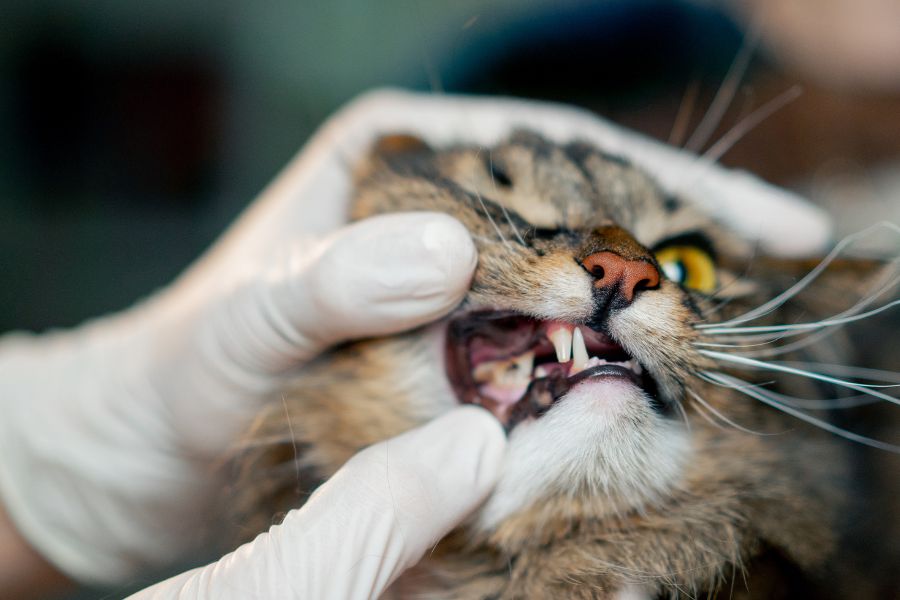
Diagnosis starts with a physical exam, followed by dental X-rays under anesthesia to assess what is happening beneath the gumline. Many dogs we see for routine dental checks turn out to have hidden infection at the tooth root, invisible without imaging.
Treatment typically follows these steps:
- A full oral exam and dental X-rays to assess each tooth
- Professional cleaning to remove plaque and tartar above and below the gumline
- Polishing to smooth the tooth surface and slow future buildup
- Extraction of any teeth that are too damaged to save
- A personalized home care plan to maintain results
Recovery is generally quick, and most pets feel noticeably more comfortable once painful teeth are addressed. Teeth cleaning for pets under anesthesia allows the vet to thoroughly clean areas an awake pet would never tolerate.
Prevention and Home Care Tips
Many owners believe brushing alone can reverse existing tartar buildup. In reality, brushing prevents new plaque but cannot remove tartar that has already hardened, which is why professional cleanings remain essential.
Try these prevention habits at home:
- Brush your pet’s teeth several times per week using pet-safe toothpaste
- Offer dental chews approved by veterinary dental organizations
- Schedule regular oral exams as part of routine wellness visits
- Watch for early symptoms rather than waiting for visible pain
- Introduce pet dental care tips gradually so pets tolerate handling calmly
Pet dental care tips work best when they become a consistent part of your pet’s routine rather than an occasional effort. Coldwater Animal Hospital recommends starting home care early, even in puppies and kittens, to build lifelong tolerance for brushing and exams.
Pet dental disease is common, but it does not have to progress unnoticed. Catching early symptoms like bad breath, swollen gums, or reluctance to chew can prevent significant pain and costly complications down the road. Regular professional exams paired with consistent home care give your pet the best defense against this silent condition. Small daily habits, combined with routine veterinary checkups, make a meaningful difference in long-term oral health. The team at Coldwater Animal Hospital is here to help you build a dental care routine that fits your pet’s needs. Book an appointment today.
Frequently Asked Questions
Q: What are the first signs of dental disease in dogs?
Ans: Early signs include persistent bad breath, mild gum redness, and slight tartar buildup along the gumline. These symptoms are often overlooked because pets rarely show obvious pain at this stage.
Q: Can dental disease affect other organs?
Ans: Yes. Bacteria from advanced gum infection can enter the bloodstream and has been linked to strain on the heart, liver, and kidneys over time.
Q: How often should pets get a dental cleaning?
Ans: Most pets benefit from a professional cleaning once a year, though pets with faster tartar buildup may need more frequent visits. Your veterinarian can recommend the right schedule based on an oral exam.
Q: Is bad breath always a sign of dental disease?
Ans: Persistent bad breath is one of the most reliable early indicators of dental disease and should never be considered normal. It typically signals bacterial buildup beneath the gumline.
Q: Can brushing alone prevent dental disease?
Ans: Regular brushing significantly reduces new plaque formation but cannot remove tartar that has already hardened. Professional cleanings remain necessary alongside consistent home brushing.