Appointments as Early as 8 AM, Monday-Saturday!
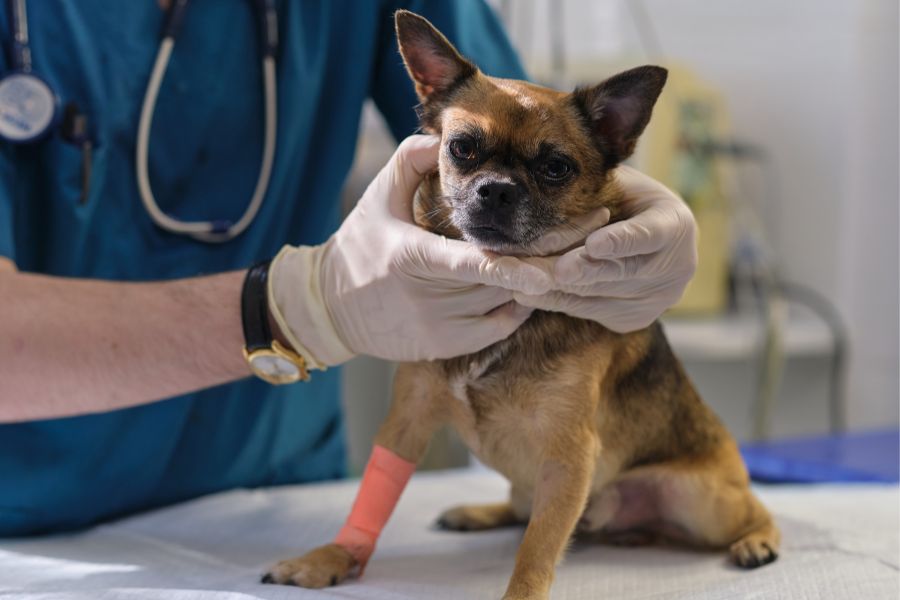
When your dog suffers a broken bone, it can be a stressful and overwhelming experience. Understanding canine fracture repair surgery helps you make informed decisions and ensures your pet gets the best possible care. In this guide, we’ll walk you through the causes, treatment options, recovery tips, and what to expect before and after orthopedic surgery.
What Is Canine Fracture Repair Surgery?
Canine fracture repair surgery is a medical procedure used to fix broken bones in dogs. These fractures can range from minor cracks to severe breaks that require surgical intervention.
Veterinarians use specialized techniques to realign the bone and stabilize it using tools like:
- Metal plates and screws
- Pins or wires
- External fixators
The goal is to restore normal function, reduce pain, and ensure proper healing. Without timely treatment, fractures can lead to long-term mobility issues or complications.
Common Causes of Bone Fractures in Dogs
Dogs are naturally active, which makes them more prone to injuries. Some of the most common causes include:
1. Trauma or Accidents
- Car accidents
- Falls from heights
- Rough play or collisions
2. Bone Weakness or Disease
- Nutritional deficiencies
- Bone infections
- Age-related conditions
3. High-Impact Activities
Active breeds or dogs involved in agility training may experience fractures due to intense physical stress. Icy sidewalks during winter can also increase the risk of slips and injuries.
Signs Your Dog May Need Fracture Repair Surgery
Recognizing the symptoms early can make a huge difference in recovery.
Look out for:
- Limping or inability to walk
- Swelling around a limb
- Visible deformity
- Pain or whining when touched
- Reluctance to move
If you notice any of these signs, immediate veterinary attention is critical. Delaying care may worsen the injury.
Diagnosis: How Vets Confirm Bone Fractures
Before recommending canine fracture repair surgery, veterinarians perform a thorough diagnosis.
Common Diagnostic Methods:
- Physical Examination: To assess pain and mobility
- X-rays: The most common way to confirm fractures
- Advanced Imaging: CT scans in complex cases
Accurate diagnosis helps determine the type of fracture and the best treatment plan.
Types of Canine Fracture Repair Surgery
Not all fractures are the same, and treatment varies depending on severity and location.
1. Internal Fixation
This method involves placing implants like plates, screws, or rods inside the body to stabilize the bone.
Best for:
- Severe fractures
- Weight-bearing bones
2. External Fixation
Pins are inserted into the bone and connected to an external frame.
Best for:
- Open fractures
- Complex injuries
3. Minimally Invasive Techniques
Some modern procedures allow smaller incisions and faster recovery.
Your veterinarian will recommend the most suitable option based on your dog’s condition.
Preparing Your Dog for Surgery
Preparation plays a crucial role in successful outcomes.
Before Surgery:
- Follow fasting instructions (usually 8–12 hours)
- Inform your vet about medications
- Keep your dog calm and comfortable
What Happens During the Surgery?
During canine fracture repair surgery, your dog will be under general anesthesia to ensure they feel no pain.
The procedure typically involves:
- Cleaning and preparing the surgical site
- Realigning the broken bone
- Securing it with appropriate fixation tools
- Closing the incision
Surgery duration varies depending on the complexity of the fracture.
Post-Surgery Care and Recovery Tips
Recovery is just as important as the surgery itself. Proper care ensures your dog heals quickly and safely.
Key Recovery Tips:
1. Limit Activity
- Restrict movement for several weeks
- Use crates or confined spaces
2. Manage Pain and Medication
- Follow prescribed medications strictly
- Never give human painkillers
3. Monitor the Surgical Site
- Check for swelling, redness, or discharge
- Prevent licking with an e-collar
4. Attend Follow-Up Visits
Regular check-ups help monitor healing progress.
5. Provide Proper Nutrition
- A balanced diet rich in calcium and protein
- Fresh water at all times
Cold weather can limit outdoor activity, so indoor enrichment is essential during recovery.
How Long Does Recovery Take?
Recovery time depends on several factors:
- Type of fracture
- Age and health of your dog
- Surgical method used
Typical recovery timeline:
- Initial healing: 6–8 weeks
- Full recovery: 2–4 months
Your vet may recommend physical therapy to restore strength and mobility.
Potential Risks and Complications
While canine fracture repair surgery is generally safe, some risks include:
- Infection
- Implant failure
- Delayed healing
- Nerve damage (rare)
Choosing an experienced veterinary team reduces these risks significantly.
How to Prevent Bone Fractures in Dogs
Prevention is always better than treatment.
Tips to Keep Your Dog Safe:
- Use a leash during walks
- Avoid slippery surfaces
- Provide proper nutrition
- Supervise playtime
- Schedule regular vet check-ups
In colder climates, using pet-safe ice melt can reduce slipping hazards and protect your dog from injuries.
Why Choosing the Right Veterinary Care Matters
When it comes to something as serious as a Canine fracture, expert care makes all the difference. At Coldwater Animal Hospital, pet owners in Rochester as well as nearby communities like Buffalo and Syracuse receive compassionate, advanced orthopedic surgical care tailored to their dog’s needs, ensuring a smoother recovery and better long-term outcomes.
Conclusion
Canine fracture repair surgery can feel overwhelming, but with the right knowledge and timely care, most dogs recover well and return to their normal activities. From recognizing early signs to following proper recovery steps, every stage is important. If you suspect your dog has a fracture, don’t delay; seek a professional orthopedic surgery hospital in Rochester right away. Book an appointment with Coldwater Animal Hospital today to ensure your pet gets the expert attention they need.
FAQs
Q1: How do I know if my dog needs fracture surgery or just rest?
Ans: Severe or displaced fractures usually require surgery, while minor ones may heal with rest. A vet exam and X-rays are essential for proper diagnosis.
Q2: Is canine fracture repair surgery safe for dogs?
Ans: Yes, it is generally safe when performed by experienced veterinarians, with proper anesthesia and monitoring.
Q3: Can my dog walk after fracture repair surgery?
Ans: Your dog may gradually return to walking, but activity must be restricted initially to allow proper healing.
Q4: What should I feed my dog after fracture surgery?
Ans: A balanced diet rich in protein and essential nutrients supports faster healing and recovery.
Q5: How can I prevent fractures in my dog?
Ans: Keep your dog on a leash, avoid slippery surfaces, provide proper nutrition, and schedule regular veterinary check-ups.