Appointments as Early as 8 AM, Monday-Saturday!
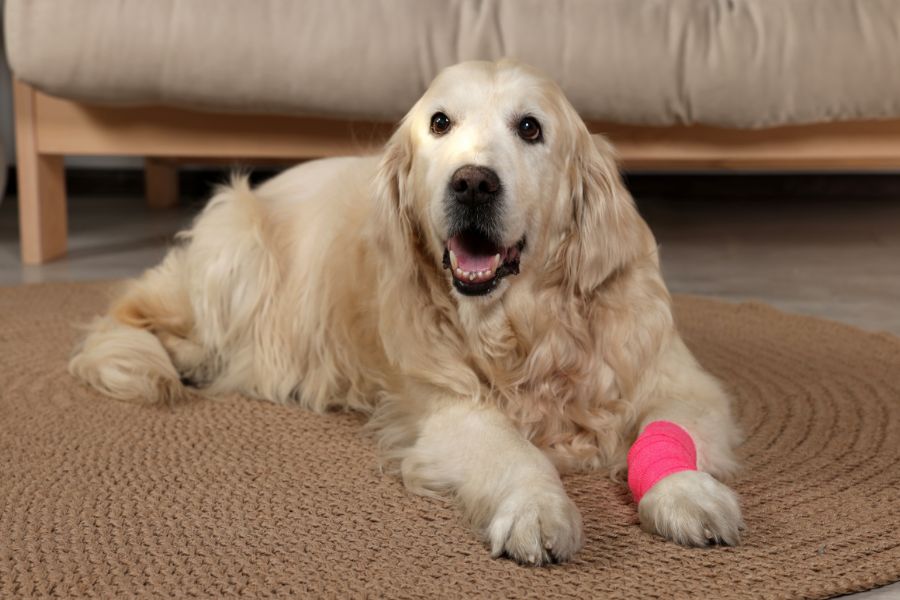
If your dog is limping or struggling to walk, your vet may suggest ACL surgery for dogs. This procedure is often recommended for torn knee ligaments that cause pain and instability. While not every case requires surgery, active or large dogs usually benefit the most. Understanding the causes, symptoms, treatment options, and dog ACL surgery recovery timeline can help you make an informed decision. Early care is key to preventing long-term joint damage and improving your dog’s quality of life. Always consult your veterinarian to determine if dog ACL repair is the right choice for your pet.
What Is an ACL Injury in Dogs?
In dogs, the “ACL” is actually called the cranial cruciate ligament (CCL). This ligament stabilizes the knee joint and allows your dog to walk, run, and jump normally. When it tears or ruptures, it leads to pain, inflammation, and instability.
Unlike humans, dogs often develop ACL injuries gradually due to wear and tear rather than sudden trauma. Over time, the ligament weakens and eventually tears—even during normal activities like walking or playing.
Common Causes of Dog ACL Injuries:
- Aging and joint degeneration
- Obesity or excess weight
- Breed predisposition (Labs, Golden Retrievers, and Rottweilers)
- Sudden twisting movements
- Poor physical condition
Signs Your Dog May Need ACL Surgery
Recognizing symptoms early is key to preventing further damage. Dogs with ACL injuries often show noticeable changes in mobility and behavior.
Common Dog ACL Injury Symptoms:
- Limping or favoring one leg
- Difficulty standing up or sitting down
- Reluctance to run, jump, or climb stairs
- Swelling around the knee joint
- Sitting with one leg extended out to the side
If you notice these signs, a veterinary exam is essential. Early diagnosis can improve outcomes, whether you choose dog ACL repair surgery or a non-surgical approach.
When Is ACL Surgery for Dogs Recommended?
Not every dog requires surgery, but in many cases, it is the most effective long-term solution.
Surgery Is Often Recommended When:
- The ligament is completely torn
- Your dog is an active or a large-breed dog
- There is significant joint instability
- Pain persists despite medication and rest
- There’s a risk of arthritis progression
Your nearest Animal Hospital in Rochester often evaluates your dog’s age, size, lifestyle, and severity of injury before recommending surgery.
Types of Dog ACL Surgery (Dog ACL Repair Options)
There are several surgical techniques available, and your veterinarian will recommend the best one based on your dog’s specific condition.
1. TPLO (Tibial Plateau Leveling Osteotomy)
- Most common and highly effective
- Changes the angle of the knee joint
- Ideal for large or active dogs
2. TTA (Tibial Tuberosity Advancement)
- Alters the mechanics of the knee
- Shorter recovery time in some cases
- Suitable for certain types of tears
3. Extracapsular Repair (Lateral Suture)
- Less invasive and more affordable
- Best for small or less active dogs
Each method has its pros and cons, but all aim to restore stability and reduce pain.
Dog ACL Surgery Recovery: What to Expect
Recovery is a critical part of successful treatment. Understanding the process helps you prepare and support your dog effectively.
Typical Dog ACL Surgery Recovery Timeline:
Weeks 1–2:
- Limited movement and strict rest
- Pain management and wound care
- Short leash walks only
Weeks 3–6:
- Gradual increase in activity
- Physical therapy may begin
- Improved weight-bearing on the leg
Weeks 7–12:
- Strength building and mobility exercises
- Return to more normal activity levels
Full recovery from dog ACL surgery can take 3–6 months, depending on the procedure and your dog’s health.
Tips for a Smooth Recovery:
- Follow your vet’s instructions strictly
- Prevent jumping or running
- Use ramps instead of stairs
- Maintain a healthy weight
- Attend follow-up appointments
Are There Alternatives to ACL Surgery for Dogs?
In some cases, non-surgical treatment may be an option—especially for small dogs or partial tears.
Non-Surgical Options Include:
- Anti-inflammatory medications
- Joint supplements (glucosamine, omega-3s)
- Physical therapy or rehab exercises
- Weight management
- Bracing or support devices
However, it’s important to understand that conservative management may not fully restore joint stability. Many dogs eventually require surgery if symptoms worsen.
Long-Term Outlook After Dog ACL Repair
The good news is that most dogs recover very well after ACL surgery and return to a happy, active life.
What to Expect Long-Term:
- Improved mobility and reduced pain
- High success rates (especially with TPLO)
- Risk of arthritis, but manageable
- Possible injury to the other knee (common in many dogs)
Maintaining your dog’s weight and keeping them active with low-impact exercise can significantly improve long-term outcomes.
How to Decide If ACL Surgery Is Right for Your Dog
Choosing surgery is a big decision, and it depends on several factors.
Ask Yourself:
- Is my dog in constant pain?
- How active is my dog?
- Can I commit to post-surgery care?
- What does my veterinarian recommend?
A thorough consultation and diagnostic imaging (like X-rays) will help guide your decision.
For pet owners in Rochester, Buffalo, Syracuse, and surrounding communities, Coldwater Animal Hospital provides personalized orthopedic surgery care and guidance tailored to your dog’s unique needs.
Conclusion:
Deciding on ACL surgery for dogs can feel overwhelming, but it’s often the best way to restore your dog’s mobility and quality of life. By understanding the symptoms, treatment options, and recovery process, you can make an informed choice that supports your pet’s long-term health.
If your dog is showing signs of a knee injury, don’t wait; early care makes a big difference. Schedule a consultation today with Coldwater Animal Hospital, and give your dog the comfort and care they deserve.
FAQs
Q1: How do I know if my dog needs ACL surgery?
Ans: If your dog has persistent limping, knee instability, or pain that doesn’t improve with rest and medication, your vet may recommend ACL surgery for dogs after proper diagnosis.
Q2: Can a dog recover from an ACL tear without surgery?
Ans: Some small dogs can manage with rest, medication, and therapy, but many cases worsen over time. Surgery often provides the most reliable long-term results.
Q3: How long does dog ACL surgery recovery take?
Ans: Recovery usually takes 3–6 months, depending on the procedure and your dog’s condition. Strict rest and gradual rehabilitation are essential for proper healing.
Q4: Is ACL surgery safe for dogs?
Ans: Yes, dog ACL surgery is generally safe with a high success rate. Complications are rare when performed by experienced veterinarians and followed by proper aftercare.
Q5: Will my dog be able to run again after ACL repair?
Ans: Most dogs regain normal activity levels after recovery. With proper rehab and weight management, many return to running, playing, and enjoying life comfortably.