Appointments as Early as 8 AM, Monday-Saturday!
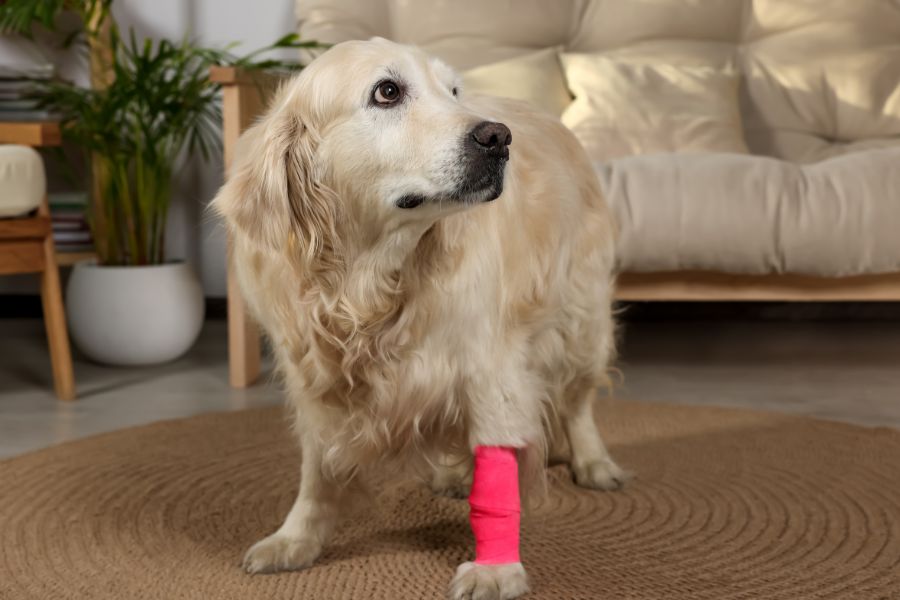
If your dog suddenly starts limping or avoiding putting weight on a hind leg, your veterinarian may suggest TPLO surgery as a solution. This advanced orthopedic procedure is widely recommended for treating certain knee injuries in dogs. In this guide, we’ll explain what TPLO surgery is, why it’s recommended, and what pet owners should expect throughout the process.
What Is TPLO Surgery in Dogs?
TPLO (Tibial Plateau Leveling Osteotomy) is a surgical procedure used to treat a torn cranial cruciate ligament (CCL) in dogs. This ligament is essential for stabilizing the knee joint, and when it tears, it can cause pain, instability, and difficulty walking.
Unlike traditional surgeries that try to repair or replace the ligament, TPLO surgery works by changing the angle of the tibia (shin bone). This adjustment stabilizes the knee joint so it no longer depends on the damaged ligament.
Why this approach works:
- It eliminates the need for the ligament to function
- Provides long-term stability to the knee
- Reduces strain during movement
- Helps dogs regain natural mobility
This technique has become one of the most trusted solutions for active dogs, especially those who enjoy running, hiking, or playing outdoors.
Why Is TPLO Surgery Recommended?
Veterinarians often recommend TPLO surgery because of its strong success rate and long-term results. Compared to other treatment methods, it provides a more permanent solution for knee instability.
Common reasons your vet may recommend TPLO:
- Complete or partial CCL tear
- Ongoing limping that doesn’t improve with rest
- Visible joint instability
- Pain during movement or exercise
Key benefits of TPLO surgery:
- Improved joint stability for everyday activities
- Faster functional recovery compared to some alternatives
- Lower chance of future injury in the same joint
- Reduced risk of arthritis progression
where seasonal changes can lead to slippery conditions, having a stable knee joint is especially important to prevent further injury.
Signs Your Dog May Need TPLO Surgery
Early detection of knee injuries can make a big difference in recovery outcomes. Dogs often show subtle signs before the condition becomes severe.
Watch for these symptoms:
- Limping or favoring one back leg
- Difficulty rising from a sitting position
- Hesitation to jump, run, or climb stairs
- Stiffness after rest
- Swelling around the knee
- Sitting with one leg extended outward
Some dogs may also show changes in behavior, such as reduced activity or irritability due to discomfort.
If your dog shows any of these signs, it’s important to seek veterinary surgical care promptly.
What Happens During TPLO Surgery?
Understanding the surgical process can help you feel more prepared and confident.
Step-by-step overview of the procedure:
- Pre-surgical evaluation – Your dog undergoes exams and imaging to confirm the diagnosis
- Anesthesia – General anesthesia ensures your dog is comfortable and pain-free
- Bone adjustment – The surgeon makes a precise cut in the tibia
- Angle correction – The bone is rotated to stabilize the knee joint
- Implant placement – A metal plate and screws secure the new bone position
- Closure and monitoring – The incision is closed and your dog is closely monitored during recovery
This procedure requires advanced surgical training and careful planning to ensure the best outcome.
Recovery After TPLO Surgery
Recovery is a critical part of the healing process and requires patience and consistency.
General recovery timeline:
- First 1–2 weeks: Focus on rest and healing of the incision
- Weeks 3–6: Gradual increase in controlled activity
- Weeks 8–12: Improved strength and return to normal movement
Essential post-surgery care tips:
- Limit movement and avoid stairs or jumping
- Use a leash for all outdoor activities
- Provide a comfortable, quiet recovery space
- Administer medications as prescribed
- Attend all follow-up visits
Following your veterinarian’s recovery plan closely will significantly improve your dog’s outcome.
Physical Therapy and Rehabilitation
Many dogs benefit from rehabilitation therapy after TPLO surgery. This helps rebuild strength and improve flexibility in the affected leg.
Common rehabilitation methods:
- Gentle range-of-motion exercises
- Controlled leash walks
- Hydrotherapy (underwater treadmill)
- Strength-building exercises
Rehabilitation not only speeds up recovery but also helps prevent future injuries. Many vet clinics in Rochester offering orthopedic surgical care also provide guided rehabilitation programs to support your dog’s full recovery.
Risks and Considerations
While TPLO surgery is generally safe and effective, it’s important to be aware of potential risks.
Possible complications include:
- Infection at the surgical site
- Swelling or inflammation
- Implant-related issues
- Delayed bone healing
These risks are uncommon and can often be minimized with proper surgical care and post-operative management.
Is TPLO Surgery Right for Every Dog?
TPLO surgery is highly effective, but it may not be necessary in every case.
Factors your veterinarian will evaluate:
- Size and breed of your dog
- Age and activity level
- Severity of the ligament injury
- Overall health condition
Larger and more active dogs typically benefit the most from TPLO surgery, while smaller or less active dogs may have alternative treatment options.
How to Prepare Your Dog for TPLO Surgery
Proper preparation helps ensure a smooth surgical experience and recovery.
Before surgery:
- Follow all feeding and fasting instructions
- Limit your dog’s activity to prevent worsening the injury
- Ask your veterinarian about medications
- Set up a recovery area at home with soft bedding
What to have ready at home:
- A crate or confined space
- Non-slip mats
- Easy access to food and water
- Leash for controlled walks
Being prepared reduces stress for both you and your dog during the recovery period.
Long-Term Outlook After TPLO Surgery
The long-term prognosis for dogs undergoing TPLO surgery is generally excellent. Most dogs return to their normal activities and enjoy a high quality of life.
What to expect long-term:
- Improved mobility and comfort
- Ability to return to regular exercise
- Reduced pain during movement
- Better joint stability
Maintaining a healthy weight and regular veterinary check-ups will help keep your dog active and comfortable for years to come.
Conclusion:
TPLO surgery is a trusted and effective treatment for dogs with knee ligament injuries. Stabilizing the joint and restoring mobility, it allows your pet to return to an active and comfortable life. Early diagnosis and proper care play a key role in achieving the best results.
If you’re a pet owner in Rochester and nearby areas like Buffalo and Syracuse, and your dog is showing signs of a knee injury, the experienced vet team at Coldwater Animal Hospital can guide you through diagnosis, treatment, and recovery. Call us today to schedule a consultation and take the first step toward improving your pet’s mobility and quality of life.
FAQs
Q1: What is TPLO surgery in dogs used for?
Ans: TPLO surgery is used to treat a torn cranial cruciate ligament (CCL) and stabilize the knee joint.
Q2: How long does it take a dog to recover from TPLO surgery?
Ans: Most dogs recover within 8–12 weeks, with gradual improvement in mobility.
Q3: Is TPLO surgery safe for older dogs?
Ans: Yes, many older dogs can safely undergo TPLO surgery if they are otherwise healthy.
Q4: Will my dog be able to run again after TPLO surgery?
Ans: Most dogs can return to normal activities, including running, after full recovery.
Q5: What happens if a CCL injury is not treated?
Ans: Untreated injuries can lead to chronic pain, arthritis, and worsening joint damage over time.