Appointments as Early as 8 AM, Monday-Saturday!
If your pet trembles at the sight of a carrier or panics during vet visits, you may wonder, can my anxious pet handle surgery? The good news is that with the right plan, most nervous pets do very well. Knowing how to prepare a dog or cat for surgery can significantly reduce stress and improve recovery outcomes.
In this guide, we will explain how anxiety affects pets before procedures, how to focus on calming pets before surgery, and what to expect during pet surgery.
Understanding Pet Anxiety Before Surgery
Anxiety in pets is common, especially in:
- Dogs with separation anxiety
- Cats are sensitive to travel or new environments
- Rescue pets with past trauma
- Pets that have had previous negative veterinary experiences
Stress triggers the release of cortisol and adrenaline. These hormones increase heart rate, blood pressure, and respiratory rate. While veterinary teams monitor these factors closely, reducing anxiety beforehand supports safer anesthesia and smoother recovery.
Signs of pre-surgery anxiety include:
- Excessive panting or pacing
- Trembling
- Hiding or refusal to eat
- Aggression or clinginess
- Vocalization, especially in cats
Addressing these behaviors early helps create a safer surgical experience.
Can Anxious Pets Safely Undergo Surgery?
Yes. Modern veterinary medicine is designed to manage anxiety effectively. Pre-anesthetic exams, bloodwork, and tailored sedation protocols allow even very nervous pets to undergo procedures safely.
Veterinarians may use:
- Pre-visit calming medications
- Anti-anxiety prescriptions
- Pheromone therapy
- Low-stress handling techniques
- Customized anesthesia plans
When you prepare your dog or cat for surgery urgently, anxiety rarely becomes a barrier to necessary medical care.
How to Prepare Your Dog for Surgery
Learning how to prepare your dog for surgery starts days before the appointment.
1. Schedule a Pre-Surgical Consultation
Your veterinarian will perform:
- A full physical exam
- Blood tests
- Possibly chest X-rays, depending on age and condition
This visit is also the perfect time to discuss your dog’s anxiety history.
2. Practice Calm Car Rides
If your dog associates car rides with stress, take short, positive trips before surgery day. Reward calm behavior with praise and treats.
3. Use Calming Aids
Options may include:
- Prescription anti-anxiety medication
- Trazodone or gabapentin when appropriate
- Calming chews
- Thundershirts
Always consult your veterinarian before giving any supplement.
4. Follow Fasting Instructions
Most dogs must fast for 8 to 12 hours before anesthesia. Follow instructions exactly to reduce surgical risk.
5. Stay Calm Yourself
Dogs read human body language. Speak in a normal tone, avoid excessive reassurance, and keep routines predictable.
How to Prepare Your Cat for Surgery
Cats often show stress differently from dogs. When planning to prepare your cat for surgery, focus on minimizing environmental changes.
1. Get the Carrier Ready Early
Leave the carrier out several days in advance. Add:
- Familiar bedding
- A shirt with your scent
- Feline pheromone spray
This reduces the “surprise factor” on surgery day.
2. Reduce Household Stress
Keep loud noises, guests, and disruptions to a minimum.
3. Discuss Pre-Visit Medication
Many cats benefit from mild sedation given at home before transport. This is one of the most effective methods for calming pets before surgery in felines.
4. Follow Feeding Guidelines
Like dogs, cats must fast before anesthesia. Your veterinarian will provide exact timing instructions.
5. Transport Calmly
Cover the carrier with a light towel to block visual stimuli and reduce stress.
Effective Techniques for Calming a Pet Before Surgery
Whether you need to prepare your dog or cat for surgery, anxiety management strategies are similar.
Proven Calming Methods
- Pheromone therapy such as Adaptil for dogs or Feliway for cats
- Pre-visit pharmaceuticals prescribed by your vet
- Desensitization training to carriers or exam rooms
- Low-stress handling protocols at the clinic
- Comfort items from home
Many veterinary clinics also use fear-free techniques such as:
- Separate waiting areas for cats and dogs
- Quiet exam rooms
- Gentle restraint methods
- Minimal wait times
These practices make your pet’s surgery much less overwhelming for nervous pets.
What Happens on Surgery Day?
Understanding the process can help you stay confident and calm.
- Admission and Brief Exam
The veterinary team confirms your pet’s health status. - Pre-Anesthetic Sedation
This step helps reduce anxiety and ensures smoother anesthesia induction. - Monitoring During Surgery
Modern monitoring equipment tracks:- Heart rate
- Blood pressure
- Oxygen levels
- Body temperature
- Post-Surgery Recovery
Pets are closely supervised until awake and stable.
Even highly anxious pets typically relax once sedatives take effect.
Recovery Tips for Nervous Pets
Post-operative care is just as important as preparation.
To support recovery:
- Provide a quiet, low-traffic space
- Limit activity as directed
- Use prescribed pain medication on schedule
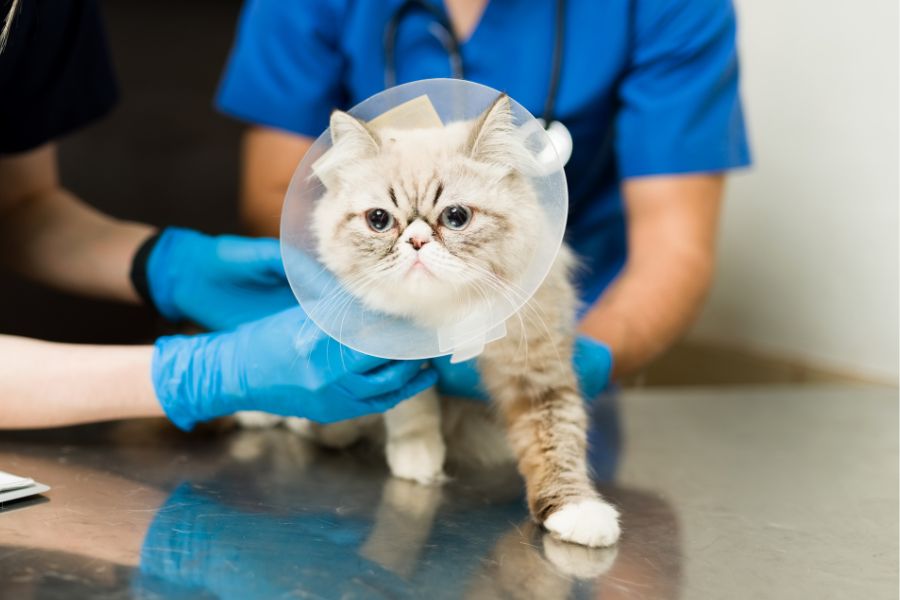
- Prevent licking with an e-collar if needed
- Monitor appetite and bathroom habits
Nervous pets may appear clingy or withdrawn after surgery. This is normal and usually temporary.
Choosing the Right Veterinary Team
Anxiety management is part of high-quality surgical care. When evaluating providers for veterinary surgery in Rochester, consider:
- Experience with fearful pets
- Availability of pre-visit medications
- Advanced monitoring equipment
- Clear post-operative instructions
- Compassionate communication
An experienced pet surgical team can transform a stressful event into a smooth experience.
Conclusion
Most anxious pets can handle surgery safely when you take steps to prepare dog for surgery or prepare cat for surgery in advance. Focus on calming pet before surgery, follow fasting instructions carefully, and work closely with your veterinarian to develop a personalized plan.
If you are searching for compassionate veterinary care near me, the vet team at Coldwater Animal Hospital is experienced in providing safe and low-stress veterinary surgery. Call us today to schedule a consultation and ensure your nervous pet receives the expert care they deserve.
FAQs
Q1: How can I calm my dog before surgery?
Ans: You can use veterinarian-prescribed anti-anxiety medication, pheromone sprays, calming wraps, and positive reinforcement to help prepare dog for surgery safely.
Q2: Should I sedate my cat before surgery transport?
Ans: Many cats benefit from pre-visit medication prescribed by a veterinarian. It is one of the most effective ways to prepare a cat for surgery with minimal stress.
Q3: Is anxiety dangerous during anesthesia?
Ans: Mild anxiety is common and manageable. Veterinary teams adjust sedation protocols to ensure safe anesthesia, even for nervous pets.
Q4: How early should I prepare my pet for surgery?
Ans: Start preparing at least one week in advance to allow time for carrier training, calming aids, and consultation.
Q5: Where can I find safe veterinary surgery?
Ans: Look for clinics that offer fear-free handling, modern monitoring equipment, and personalized care plans for anxious pets.