Appointments as Early as 8 AM, Monday-Saturday!
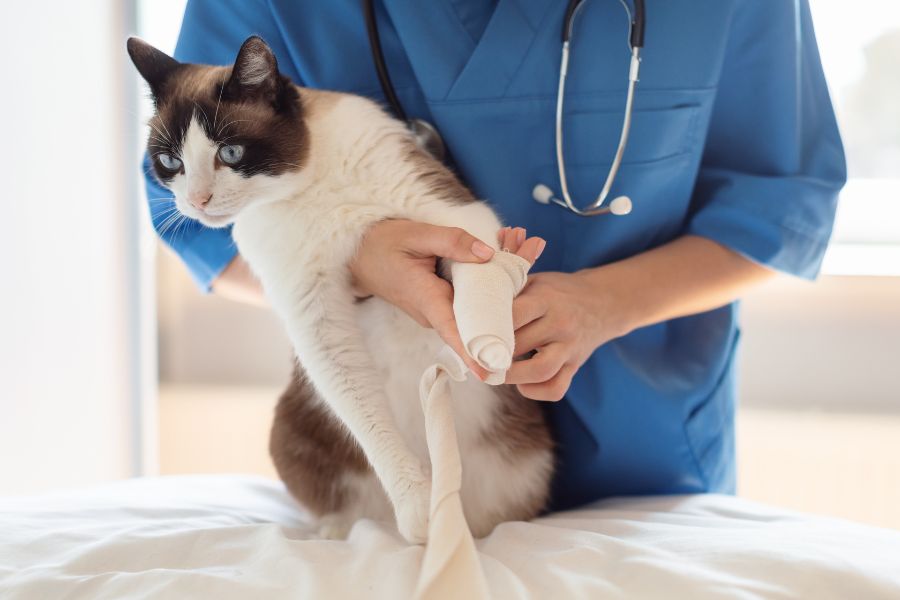
When your cat suffers an injury, one of the first concerns is whether surgery is necessary. Cat broken bone treatment can vary widely depending on the severity, location, and type of fracture. In this guide, we’ll explain when cat fracture surgery is required, when non-surgical options work, and what to expect during cat bone fracture recovery. If you’re a pet owner, understanding these options can help you make the best decision for your cat’s health and comfort.
What Causes Bone Fractures in Cats?
Cats are agile, but accidents can still happen. Bone fractures in cats often occur due to trauma or underlying health issues.
Common causes include:
- Falls from heights (especially in indoor-outdoor cats)
- Car accidents
- Animal fights or attacks
- Getting caught in doors or furniture
- Nutritional deficiencies weaken bones
In colder regions, icy conditions can also increase slip-and-fall injuries, especially for outdoor cats.
Types of Cat Bone Fractures
Understanding the type of fracture is essential in determining the right treatment for broken bones.
1. Simple (Closed) Fracture
- Bone is broken, but it does not pierce the skin
- Often easier to treat and may not require surgery
2. Open (Compound) Fracture
- Bone breaks through the skin
- High risk of infection, often requires a cat fracture surgery
3. Comminuted Fracture
- Bone is shattered into multiple pieces
- Typically requires surgical repair
4. Greenstick Fracture
- Common in kittens; bone bends and partially breaks
- May heal with minimal intervention
5. Pathological Fracture
- Caused by diseases like cancer or severe calcium deficiency
Is Surgery Always Needed for a Cat’s Broken Bone?
In short, no, surgery is not always required.
The decision depends on several clinical factors.
Surgery may NOT be needed if:
- The fracture is stable and aligned
- It’s a simple, closed fracture
- The bone can heal with external support (splint or cast)
- The cat is young, and its healing capacity is strong
Surgery IS usually needed if:
- The fracture is displaced or unstable
- Multiple bones are broken
- The fracture involves a joint
- There is an open wound
- The bone is shattered (comminuted fracture)
Veterinarians evaluate X-rays, your cat’s age, activity level, and overall health before recommending feline fracture repair options.
Non-Surgical Treatment Options
In some cases, conservative management works effectively for cat broken bone treatment.
Common non-surgical methods:
- Splints or casts: Keep the bone aligned during healing
- Cage rest: Limits movement to prevent further injury
- Pain management: Medications to keep your cat comfortable
- Regular monitoring: Follow-up X-rays to ensure proper healing
Pros:
- Lower cost
- No anesthesia risks
- Less invasive
Cons:
- Longer recovery time
- Risk of improper healing if movement isn’t controlled
- Not suitable for complex fractures
Surgical Treatment for Cat Fractures
When fractures are severe, cat fracture surgery becomes the best option for proper healing.
Common surgical techniques:
- Bone plating: Metal plates and screws stabilize the bone
- Pins and wires: Used to align fractured bones
- External fixation: Stabilizing frame outside the body
Benefits of surgery:
- Faster and more reliable healing
- Better alignment of bones
- Reduced risk of long-term complications
Although surgery may sound intimidating, modern veterinary techniques are highly advanced and safe.
What to Expect During Cat Bone Fracture Recovery
Recovery plays a crucial role in the success of any feline fracture repair.
Typical recovery timeline:
- First 1–2 weeks: Pain control and strict rest
- 3–6 weeks: Gradual healing and limited movement
- 6–12 weeks: Bone strengthening and return to normal activity
At-home care tips:
- Keep your cat confined to a small, quiet space
- Prevent jumping or climbing
- Follow medication schedules carefully
- Check for swelling, redness, or discomfort
- Attend all follow-up vet visits
Colder weather may require extra care to keep your cat warm and comfortable during recovery, especially if mobility is limited.
Signs Your Cat May Have a Broken Bone
Recognizing symptoms early can make a big difference in recovery.
Watch for:
- Limping or inability to walk
- Swelling in a limb
- Visible deformity
- Crying or signs of pain
- Refusal to move or eat
- Dragging a leg
If you notice any of these signs, immediate veterinary evaluation is critical.
Risks of Delaying Treatment
Ignoring or delaying treatment can lead to serious complications.
Potential risks include:
- Improper bone healing (malunion)
- Chronic pain
- Loss of limb function
- Infection (especially in open fractures)
- Need for more complex surgery later
Prompt diagnosis ensures the most effective cat broken bone treatment plan.
How to Prevent Bone Fractures in Cats
While not all accidents are avoidable, you can reduce risks significantly.
Prevention tips:
- Keep windows secured to prevent falls
- Limit outdoor exposure in high-traffic areas
- Provide proper nutrition for strong bones
- Supervise interactions with other animals
- Avoid slippery surfaces indoors
When Should You See a Vet?
Any suspected fracture should be treated as an emergency.
Seek immediate care if:
- Your cat cannot stand or walk
- There is visible bleeding or bone exposure
- Your cat is in severe pain
- The injury occurred from major trauma
Early intervention improves outcomes and may even reduce the need for surgery.
Conclusion
Surgery isn’t always necessary for every fracture, but it often provides the best outcome for complex injuries. The right broken bone treatment depends on the fracture type, severity, and your cat’s overall health. Whether managed with a cast or through cat fracture surgery, proper care and follow-up are essential for a smooth cat bone fracture recovery.
If your cat has suffered an injury, don’t wait. Schedule an evaluation at Coldwater Animal Hospital in Rochester to ensure your pet receives the best possible care and treatment plan.
FAQs
Q1: Can a cat’s broken bone heal on its own without surgery?
Yes, simple and stable fractures can heal with rest and splinting, but proper veterinary evaluation is essential to ensure correct healing.
Q2: How long does cat’s bone fracture recovery take?
Most fractures take 6–12 weeks to heal, depending on severity, age, and whether surgical or non-surgical treatment is used.
Q3: Is cat fracture surgery safe?
Yes, modern veterinary surgical techniques are generally safe and effective, with high success rates when performed by experienced veterinarians.
Q4: How can I keep my cat calm during recovery?
Use a confined space, limit movement, and follow your vet’s advice on medications and activity restrictions to ensure proper healing.
Q5: What happens if a broken bone in a cat is left untreated?
Untreated fractures can lead to chronic pain, improper healing, infection, and permanent loss of limb function.